Chasing Light and Lines in Nantes: A Cityscape Photographer’s Dream
Walking through Nantes feels like flipping through a living sketchbook—industrial grit meets green spaces, historic facades blend with modern art. As a cityscape photographer, I was drawn to its unexpected contrasts and soft Atlantic light. This isn’t Paris or Lyon, but that’s exactly why it shines. You won’t find crowds of tourists clogging the perfect shot here—just authentic moments waiting to be framed. Nantes offers a rare balance: a city rooted in history yet unafraid to reimagine itself, where light falls gently across stone and steel alike. For those who seek depth in urban landscapes, this western French gem delivers not just views, but visual stories.
Why Nantes? The Photographer’s Perspective
Nantes stands apart as a quietly compelling destination for cityscape photography, offering a rich tapestry of visual narratives without the overwhelming presence of mass tourism. Unlike more photographed French cities, Nantes has retained a sense of authenticity, allowing photographers to capture moments that feel lived-in rather than staged. The city’s architectural diversity is one of its greatest strengths. Strolling through its districts, one encounters 18th-century townhouses with wrought-iron balconies, post-war reconstructions reflecting mid-century utilitarian design, and bold contemporary structures that speak to Nantes’ forward-looking identity. This layered urban fabric creates endless opportunities for contrast—old against new, organic curves against rigid geometry, shadow against illuminated façades.
What truly sets Nantes apart for photographers is its light. Located near the Atlantic coast, the city experiences a maritime climate characterized by frequent cloud cover and soft, diffused sunlight. While some may lament the lack of constant sunshine, this atmospheric condition is a gift for image-making. Harsh midday glare is rare, and the overcast skies act as a natural softbox, evenly illuminating surfaces and revealing subtle textures in brick, stone, and metal. This quality of light enhances detail and minimizes extreme contrasts, making it ideal for capturing the nuanced surfaces of urban environments. Whether shooting close-up details of weathered walls or expansive skyline compositions, the ambient light in Nantes consistently supports balanced exposures and rich tonal gradations.
Equally important is the city’s cultural ethos, which embraces creativity and experimentation. Nantes has long been recognized as a hub for innovation in public art and urban design, a legacy reflected in its streetscapes. From interactive installations to repurposed industrial spaces, the city invites visual exploration. For photographers, this means that every turn can reveal an unexpected composition—a mural emerging from a side alley, a kinetic sculpture glowing at dusk, or a bridge transformed into a canvas of light. The city does not present itself as a museum piece; instead, it evolves, offering fresh perspectives with each visit. This spirit of reinvention fuels visual storytelling, allowing photographers to document not just what Nantes is, but what it is becoming.
Isle of Nantes: Where Past Meets Future
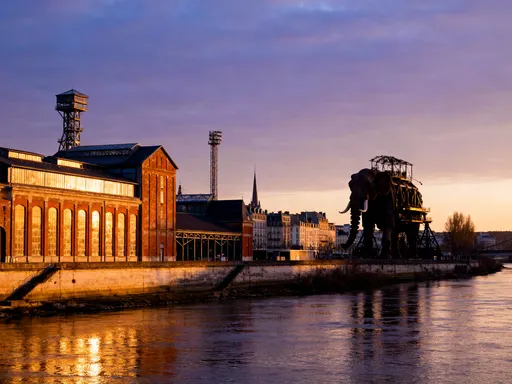
The transformation of the Isle of Nantes is one of the most remarkable urban renewal projects in modern France, and for photographers, it offers a dynamic stage where industrial heritage and futuristic imagination coexist. Once a neglected shipbuilding zone, the island has been reimagined as a vibrant cultural district, blending public space, art, and architecture in ways that inspire compelling compositions. At the heart of this transformation lies the Machines de l'Île, a creative workshop that has captured global attention. Its centerpiece, the Great Elephant, is more than a tourist attraction—it is a powerful visual anchor. Rising several stories high, this mechanical pachyderm moves with deliberate, almost ritualistic motion, steam rising from its trunk as it carries visitors along a grassy path. Photographed at eye level or from a distance, the elephant creates a surreal juxtaposition against the sky and surrounding buildings, inviting symbolic interpretations about memory, progress, and play.
The open quaysides of the island provide expansive vantage points ideal for wide-angle photography, especially during golden hour when the low sun casts long shadows and warms the concrete and metal surfaces. The northern and southern banks of the island offer unobstructed views of the Loire River, allowing for compositions that include reflections, silhouettes, and layered depth. Evening light transforms the area into a luminous stage, with LED installations and illuminated walkways adding streaks of color to long-exposure shots. The Carrousel des Mondes Marins, another creation of the Machines de l'Île, functions as both an artistic carousel and a sculptural ensemble, its rotating platforms featuring fantastical sea creatures that glow from within. Captured in motion or at rest, these elements contribute to a dreamscape quality that is rare in urban settings.
Further enriching the island’s narrative is the Jules Verne Museum, located in the historic Château des Ducs de Bretagne. Though not on the island itself, its thematic connection to the area is undeniable. Verne, a native of Nantes, was a visionary whose stories imagined submarines, airships, and journeys to the moon—ideas that resonate deeply with the island’s aesthetic of mechanical wonder and exploration. Photographers can draw thematic parallels between Verne’s legacy and the kinetic sculptures that now inhabit the city, framing shots that suggest a city inspired by imagination. The museum’s exterior, with its classical architecture and reflective moat, also offers strong compositional possibilities, particularly when mirrored in water after a light rain.
Riverside Vistas Along the Loire and Erdre
The confluence of the Loire and Erdre rivers is central to Nantes’ geographical and visual identity, offering two distinct yet complementary environments for riverside photography. The Loire, one of France’s longest rivers, flows broad and powerful through the city, its wide banks lined with walking paths, modern bridges, and industrial remnants. In contrast, the Erdre is narrower, calmer, and shaded by overhanging trees, creating a more intimate, almost pastoral atmosphere. This duality allows photographers to explore vastly different moods within a short distance—one side bustling and expansive, the other quiet and reflective.
For panoramic cityscape shots, the Port de la Fosse and Quai de la Fosse are exceptional locations. Positioned along the Loire, these quays offer sweeping views of the city skyline, particularly effective at dawn or dusk when the interplay of natural and artificial light is most dramatic. Early morning visits are especially rewarding, as the river surface often lies perfectly still, creating mirror-like reflections of buildings and bridges. A low-angle shot from the water’s edge can double the visual impact, turning a simple façade into a symmetrical composition. The Pont Anne de Bretagne, a modern cable-stayed bridge, stands out with its sleek design and subtle lighting, making it a strong subject for both daytime and night photography.
Along the Erdre, the atmosphere shifts. The river winds through wooded areas and residential neighborhoods, its surface dappled with sunlight filtering through leaves. This setting is ideal for capturing moodier, more contemplative images. Mist often lingers in the early hours, softening outlines and adding a sense of mystery. Photographers can use telephoto lenses to isolate details—a row of moored boats, a stone footbridge, or a house with ivy-covered walls—creating intimate vignettes within the larger urban narrative. The contrast between the two rivers also allows for thematic series: one focused on movement and scale, the other on stillness and detail. Together, they illustrate the balance Nantes strikes between urban energy and natural serenity.
Old Town (Bouffay) and Historic Architecture
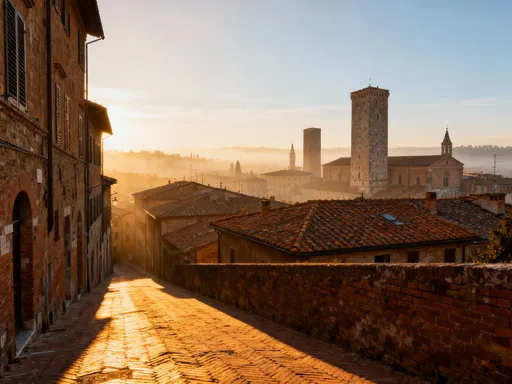
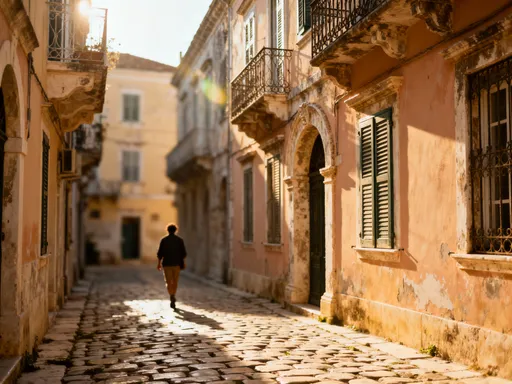
The Bouffay district, Nantes’ medieval heart, offers a striking contrast to the city’s modern developments. Here, narrow cobblestone streets wind between centuries-old buildings, many with half-timbered façades that lean slightly with age, their wooden beams darkened by time and weather. This area feels like stepping into another era, where the pace slows and the textures of history are palpable. For photographers, the Bouffay is a treasure trove of compositional opportunities. The interplay of light and shadow is especially dramatic—sunlight filters through tight alleyways at sharp angles, illuminating a flower box on a windowsill while leaving the opposite wall in deep shade. These natural contrasts enhance depth and dimension, making even simple street scenes visually compelling.
Place du Bouffay, the central square of the district, serves as a natural focal point. Ringed by cafés with outdoor seating and surrounded by multi-story buildings with colorful shutters, the square pulses with daily life. Yet, it remains free of the commercial clutter that overwhelms older districts in other cities. Photographers can capture candid moments—locals sipping coffee, children playing, musicians performing—without the intrusion of tourist crowds. The key is timing; early mornings offer quiet, with only delivery workers and shopkeepers present, while late afternoons bring gentle golden light that warms the stone and wood. Shooting from an upper floor of a café or using a slight elevation can help frame the square in its entirety, emphasizing its geometric layout and human activity.
Rue Crebillon, one of the oldest streets in Nantes, provides a linear journey through time. Lined with restored 15th- and 16th-century houses, the street is narrow enough that the façades almost touch overhead, creating a tunnel-like effect. This compression draws the eye forward, making it ideal for leading-line compositions. The textures here are rich—peeling paint, carved doorways, iron railings—and a macro lens can reveal details that tell stories of centuries of habitation. Despite its age, the street is not frozen in the past; modern life continues within these historic shells, with boutiques, bookshops, and bakeries operating behind ancient doors. This blend of continuity and change adds narrative depth to photographs, suggesting resilience and adaptation.
Green Spaces and Urban Balance: From Jardin des Plantes to Parc de Procé
Nantes’ integration of green spaces into its urban fabric is both intentional and visually rewarding. The city boasts numerous parks and gardens that soften the hard edges of architecture and provide breathing room for both residents and photographers. Among these, the Jardin des Plantes stands out for its formal design and photographic versatility. Laid out in the 19th century, the garden features symmetrical pathways, ornamental ponds, and carefully curated plantings that create strong leading lines and frames within the frame. The central promenade, flanked by evenly spaced trees, invites wide-angle shots that emphasize depth and perspective. In spring, the blossoming magnolias and cherry trees add soft pinks and whites to the palette, while autumn brings warm golds and reds, enhancing contrast against the gray skies typical of the region.
The garden also houses a small botanical conservatory and aviary, both of which offer unique interior shooting opportunities. The glasshouse, with its iron framework and lush tropical plants, creates a layered environment where light filters through leaves and glass panes, producing dappled patterns on the ground. These conditions are ideal for experimenting with focus, depth of field, and natural diffusion. The aviary, though modest in size, is home to colorful birds that add movement and life to still compositions. Capturing them in flight or perched against a backdrop of greenery requires patience and a faster shutter speed, but the results can be striking.
In contrast, Parc de Procé offers a wilder, more organic aesthetic. Located on a gentle slope, the park features winding paths, mature trees, and open meadows that feel removed from the city despite its central location. This sense of seclusion makes it ideal for quieter, more introspective photography. The park’s elevation also provides partial views of the surrounding neighborhoods, allowing for compositions that blend nature and urban sprawl. Unlike the formal structure of Jardin des Plantes, Parc de Procé encourages a looser, more spontaneous approach—perfect for capturing candid moments of families picnicking, dogs playing, or individuals reading under trees. The interplay of sunlight and canopy creates natural spotlights, highlighting subjects in unexpected ways.
For photographers seeking elevated perspectives without drones—which are restricted in many public areas—both parks offer alternatives. At Jardin des Plantes, the upper terraces near the rose garden provide a raised vantage point, while in Parc de Procé, the winding paths naturally lead to small hills that open up views. These spots allow for aerial-like compositions without violating local regulations. The presence of greenery also enhances color balance in photos, counteracting the grays and browns of urban structures and adding vibrancy to the overall palette.
Weather, Seasons, and the Best Times to Shoot
Understanding Nantes’ climate is essential for planning a successful photography outing. The city’s maritime influence means weather can change rapidly, with sunshine, rain, and fog all possible within a single day. While some may view this unpredictability as a challenge, it can be an asset for creative photography. Frequent cloud cover diffuses light evenly, reducing harsh shadows and allowing for consistent exposure across scenes. Overcast days are particularly beneficial for photographing textured surfaces, as they reveal detail without glare. Light rain can enhance reflections on cobblestones and wet façades, adding depth and mood to compositions. A polarizing filter can help manage reflections when desired, while a rain cover for the camera ensures gear remains protected.
Each season offers distinct visual opportunities. Spring brings fresh greens and blooming flowers, softening the city’s industrial edges. The longer daylight hours of summer allow for extended shooting, especially during the late twilight known as the “blue hour,” when city lights begin to glow against a deepening sky. This period is ideal for capturing the illuminated quays and bridges of the Isle of Nantes. Autumn introduces warm tones—russet leaves, golden light—and a sense of quiet as tourist numbers dwindle. Winter, though cooler and darker, offers a moody aesthetic. Mist rising from the rivers, frost on stone steps, and the warm glow of café windows create a contemplative atmosphere perfect for black-and-white photography.
Timing within the day is equally important. Early morning, just after sunrise, is often the most rewarding. Streets are quiet, light is soft, and the city feels still. This is the best time to capture reflections on the Loire or to photograph the Great Elephant without crowds. Late afternoon and early evening bring the golden hour, when the sun skims the horizon, casting long shadows and warming surfaces. Weekdays are preferable to weekends, as foot traffic is lighter, allowing for unobstructed shots of key landmarks. By aligning visits with seasonal rhythms and daily light cycles, photographers can maximize both clarity and emotional impact in their work.
Gear Tips and Ethical Photography Practices
Photographing Nantes efficiently requires thoughtful gear selection, especially given the amount of walking involved. A lightweight mirrorless camera system is ideal, offering high image quality without the bulk of traditional DSLRs. A versatile zoom lens, such as a 24-70mm, covers most cityscape needs, while a wide-angle lens (16-35mm) is essential for capturing expansive views and tight alleyways. A prime lens, like a 35mm or 50mm, excels in low light and delivers sharp, intimate portraits of architectural details. A compact tripod is invaluable for long exposures, particularly when shooting water reflections or night scenes, and can easily fit into a daypack.
Equally important is ethical practice. Nantes is a living city, not a backdrop. Photographers should respect private property, avoid trespassing, and refrain from using drones in restricted zones. When capturing street scenes, it’s courteous to acknowledge people in the frame—smiling, nodding, or briefly explaining your purpose if approached. Most locals are welcoming, especially when they see genuine interest in the city’s character. Avoid intrusive behavior, such as blocking pathways or repeatedly photographing individuals without consent. Instead, focus on environmental storytelling—capturing how people interact with spaces, how light defines moments, how history and modernity coexist.
Ultimately, great cityscape photography in Nantes is not about having the latest equipment, but about cultivating awareness. It’s about noticing how a shaft of light hits a cobblestone, how a shadow aligns with a doorway, how a passerby completes a composition. It’s about patience—waiting for the right cloud to pass, for the river to still, for the moment when everything aligns. And it’s about emotional connection: seeing the city not just as a collection of buildings, but as a living, breathing entity with stories to tell.
Nantes may not top every traveler’s list, but for those with an eye for urban detail and atmosphere, it’s a quiet revelation. Its cityscape tells stories of reinvention, harmony, and subtle beauty—perfect for photographers seeking authenticity over spectacle. Pick up your camera, wander without agenda, and let the city reveal itself, one frame at a time.