You Won't Believe How Kuala Lumpur's Terrain Shapes Its Art Scene
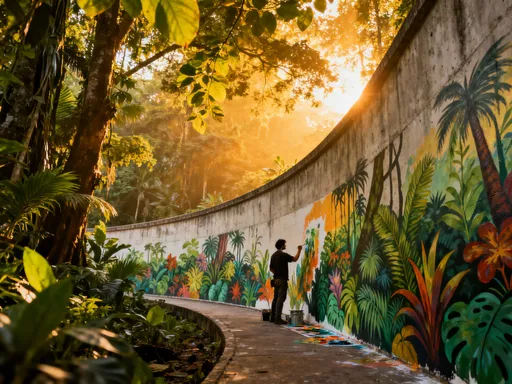
Kuala Lumpur isn’t just skyscrapers and street food—it’s a city where jungle-clad hills meet urban concrete, and that contrast? It’s fueling an art movement like no other. I never expected to find murals blooming on subway walls or sculptures rising from rainforest clearings. The city’s special terrain—rolling hills, deep valleys, and sudden green oases—doesn’t just define its skyline; it inspires bold, raw, and wildly creative expressions. This is art born from land, culture, and urban pulse colliding. In Kuala Lumpur, geography isn’t a silent backdrop—it’s a co-author in every mural, sculpture, and performance that pulses through its streets and parks. As the city climbs and dips with the natural contours of the earth, so too does its artistic soul.
The Unexpected Canvas: How Geography Shapes Art in KL
Kuala Lumpur rests in a basin carved by ancient rivers, flanked by the Titiwangsa Mountains to the east and opening toward coastal plains in the west. This dramatic topography—undulating hills, narrow valleys, and dense tropical vegetation—creates a layered urban experience unlike any other Southeast Asian metropolis. Unlike flat, grid-based cities, KL’s layout follows the rhythm of the land, with roads winding uphill and neighborhoods stacked at different elevations. This physical complexity directly influences how art is conceived and experienced. Artists don’t just work within the city; they respond to its slopes, shadows, humidity, and sudden bursts of green. The terrain becomes an active collaborator, shaping not only where art is placed but how it’s perceived.
For instance, the elevation changes between areas like Bukit Bintang and the Klang River floodplain create natural vantage points and hidden pockets ideal for surprise installations. A mural painted at the base of a hill might only be fully visible from halfway up a staircase, rewarding the viewer’s physical effort with a complete visual reveal. This interplay between movement and perspective transforms art viewing into an embodied experience. Additionally, the city’s numerous green corridors—such as the KL Forest Eco Park and the Ampang Park green belt—serve as living galleries where art blends with biodiversity. Installations here often use sustainable materials and respond to environmental shifts, like monsoon rains or shifting sunlight, making them dynamic rather than static.
Moreover, KL’s geographical duality—urban density juxtaposed with pockets of untouched rainforest—fuels thematic tension in artistic expression. Many works explore the balance between progress and preservation, concrete and canopy. This is not merely decorative art; it’s commentary embedded in place. The city’s terrain, therefore, does more than provide scenic views—it offers a narrative framework. Artists draw from the land’s history, its ecological fragility, and its resilience, crafting pieces that reflect both beauty and urgency. In this way, Kuala Lumpur’s geography doesn’t just host art; it inspires it, challenges it, and gives it meaning.
Street Art in the Shadows of Skyscrapers
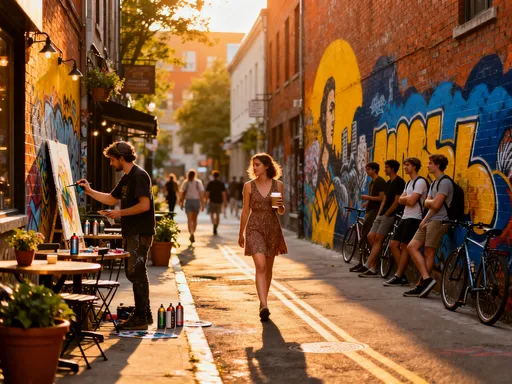
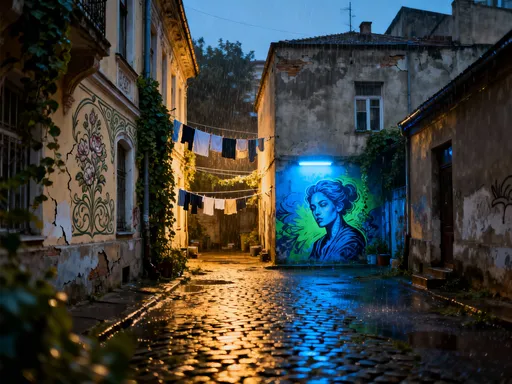
Wander through the narrow alleyways of Chinatown, and you’ll find vibrant murals splashed across weathered brick walls, their colors glowing under the morning sun. These aren’t random graffiti tags—they’re carefully composed stories rooted in local identity, memory, and the physical environment. In Kuala Lumpur, street art thrives in the interstitial spaces: underpasses, stairwells, and the narrow gaps between towering buildings. These areas, shaped by the city’s vertical growth and irregular layout, become intimate stages for public expression. The density of structures creates natural tunnels of shade and sound, altering how viewers engage with the art. A piece that feels bold at noon may appear mysterious under the dim glow of streetlights at dusk.
One striking example is the series of murals along Lorong Panggung, where artists have transformed a once-overlooked pedestrian passage into a cultural corridor. These works depict traditional Malaysian crafts, family scenes, and mythological figures, but their placement is strategic—the curves of the alley and the varying heights of the buildings frame each image differently depending on the viewer’s position. This spatial awareness reflects a deep understanding of KL’s urban fabric. Similarly, in Bangsar, a neighborhood perched on a gentle slope, murals often follow the incline of the road, creating a sense of upward momentum that mirrors both the terrain and the community’s aspirational spirit.
Little India offers another compelling case, where bold, colorful murals echo the vibrancy of Diwali celebrations while also responding to the sensory overload of the area—bright shop signs, aromatic food stalls, and constant foot traffic. Here, art doesn’t compete with the environment; it harmonizes with it. Some installations incorporate reflective paint or metallic elements that catch the sunlight, enhancing visibility during the day and glowing subtly at night. The result is a living tapestry where art, culture, and topography are inseparable. Street art in KL is not just seen—it’s felt, heard, and navigated, shaped as much by the city’s physical form as by the hands that create it.
Art That Rises with the Land: Sculptures in Natural Settings
Beyond the streets, Kuala Lumpur’s parks and hillside reserves host a growing collection of outdoor sculptures that engage directly with the natural landscape. In the Perdana Botanical Gardens, for instance, installations are carefully sited to complement the terrain—some nestled in clearings, others suspended between trees, and a few partially submerged near water features. These works often use organic materials like bamboo, reclaimed wood, or weathered metal, allowing them to age gracefully alongside the surrounding flora. The humidity and frequent rainfall, often seen as challenges, are embraced as part of the artistic process. Over time, moss grows on metal surfaces, vines creep along wooden frames, and the boundary between art and nature blurs.
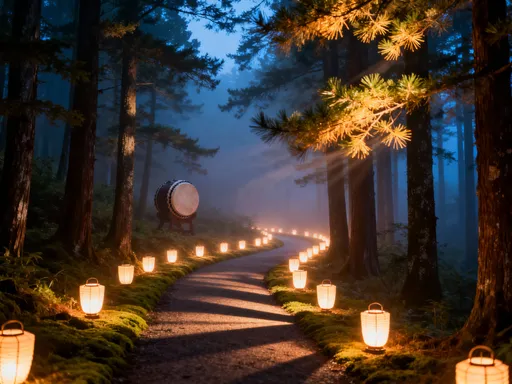
Near Bukit Nanas, a forested hill in the heart of the city, a series of site-specific sculptures respond to the steep slopes and dense canopy. One installation, a spiral of woven rattan, follows the curve of a walking path, guiding visitors upward like a gentle whisper from the forest. Another, a sound sculpture made of hanging copper tubes, chimes softly in the breeze, its music carried differently depending on wind direction and elevation. These works are not meant to dominate the space; they are designed to emerge from it, inviting quiet contemplation rather than spectacle. The terrain dictates not only placement but also scale and form—large, imposing structures would feel out of place, while smaller, intimate pieces resonate more deeply.
Artists working in these natural settings often collaborate with ecologists and urban planners to ensure minimal environmental impact. Some installations are temporary, lasting only a season, allowing the land to reset afterward. Others are designed to decompose naturally, returning to the earth over time. This approach reflects a philosophy of impermanence and respect for the ecosystem. In KL, where green spaces are precious and under constant pressure from development, such art serves a dual purpose: it beautifies while also raising awareness about conservation. These sculptures are not just objects to be viewed—they are invitations to listen, to slow down, and to reconnect with the land beneath our feet.
Urban Renewal Meets Creative Terrain: The Role of Adaptive Spaces
One of the most transformative developments in Kuala Lumpur’s art scene has been the adaptive reuse of neglected urban infrastructure. The River of Life project, centered on the Klang River, exemplifies how ecological restoration can become a canvas for artistic expression. Once heavily polluted and overlooked, the riverfront has been revitalized with cleaner water, improved walkways, and native landscaping. Along this renewed corridor, artists have introduced murals, light installations, and floating sculptures that reflect the theme of renewal. At the Masjid Jamek area, a series of illuminated panels tell the history of the river through animated patterns, visible at night as soft glows against the water’s surface.
Old drainage channels and disused railway lines have also been repurposed into creative zones. The Rail Park, built on a former rail yard, now features open-air galleries and performance spaces that follow the original track layout. The slight elevation changes from the old rail beds create natural amphitheaters, ideal for small concerts or spoken word events. Similarly, in Titiwangsa, a former flood retention zone has been transformed into a public park with integrated art trails. Here, sculptures are placed along pathways that follow the natural flow of water, reinforcing the connection between art and environmental function.
These adaptive spaces demonstrate how Kuala Lumpur turns urban challenges into opportunities for creativity. Instead of hiding infrastructure, the city integrates it into the cultural fabric. Artists are invited to respond to the history and function of these sites, creating work that is both meaningful and contextually rich. This approach not only enhances public enjoyment but also fosters a sense of ownership and pride among residents. As KL continues to grow, these reclaimed spaces offer a model for sustainable urban development—one where art, ecology, and community coexist in harmony.
Local Artists Speak: Creating in a City of Contrasts
For many Malaysian contemporary artists, Kuala Lumpur’s terrain is not just a setting—it’s a source of daily inspiration and technical challenge. In interviews, several creators describe how the city’s humidity affects paint drying times, how sudden rain showers interrupt outdoor work, and how elevation changes influence the logistics of transporting materials. Yet, rather than seeing these as obstacles, they embrace them as part of the creative rhythm. One sculptor based in Mont Kiara explained how she uses the slope of her backyard studio to test the stability of large installations before public display. Another painter in Cheras adjusts her palette based on the quality of light at different times of day, which varies significantly between valley and hillside locations.
Many artists emphasize the emotional resonance of KL’s contrasts—how walking from a bustling market into a quiet forest reserve can spark new ideas. One muralist described her process as “listening to the walls,” noting that older buildings in low-lying areas often have unique textures and cracks that influence her brushwork. Others speak of the city’s “layers”—cultural, historical, and physical—as a constant source of narrative depth. A common theme in their reflections is the importance of movement: climbing stairs, crossing bridges, navigating crowded streets. This kinetic experience informs their compositions, leading to works that feel dynamic and alive.
Several artists also highlight community engagement as a crucial part of their practice. In neighborhoods like Brickfields and Setapak, collaborative murals are created with input from local residents, ensuring that the art reflects shared memories and values. These projects often take place on sloped or uneven surfaces, requiring creative problem-solving and teamwork. The terrain, in this sense, becomes a metaphor for resilience—just as the city rises and falls with the land, so too do its people adapt, create, and endure. For these artists, working in KL is not just about making art; it’s about participating in a living, breathing dialogue between people and place.
Navigating the Terrain: A Traveler’s Guide to Art Discovery
For visitors, exploring Kuala Lumpur’s terrain-driven art scene is as much about the journey as the destination. To make the most of the experience, it’s best to start early in the morning when temperatures are cooler and sunlight enhances visibility without causing glare. Comfortable walking shoes are essential, especially when navigating the city’s many staircases and sloped pathways. Areas like Bukit Nanas and the KL Forest Eco Park involve moderate elevation changes, so pacing is key. Carrying a lightweight rain jacket is also advisable—sudden tropical showers are common, but they usually pass quickly, leaving the air fresh and the foliage glistening.
A recommended route begins at the KLIA Transit station in Bandar Tasik Selatan, where a series of large-scale murals celebrate local wildlife. From there, take the train to KL Sentral, then walk toward the River of Life promenade, following the Klang River northward. This path offers a mix of street art, river views, and shaded walkways. Continuing uphill toward Dataran Merdeka, visitors encounter historical buildings adorned with contemporary installations. A short climb leads to the entrance of the KL Forest Eco Park, where nature and art merge seamlessly. For those seeking a more structured experience, guided walking tours led by local art collectives are available and provide deeper insights into the meaning behind the works.
Public transportation in KL is efficient and connects major art hubs. The LRT and MRT lines serve elevated and underground stations that themselves have become canvases for artistic expression—ceramic murals, mosaic walls, and sculptural light fixtures are common. When moving between high- and low-elevation zones, the change in perspective offers a unique way to see the city unfold. Travelers are encouraged to allow time for spontaneous discoveries: a hidden mural in a side alley, a sculpture tucked beneath a bridge, or a pop-up exhibition in a restored colonial building. These moments of surprise are at the heart of KL’s artistic charm.
Why This Fusion Matters: The Future of Urban Art in Dynamic Landscapes
The fusion of art and terrain in Kuala Lumpur represents more than a local trend—it’s a vision for the future of urban creativity. As cities worldwide face the pressures of climate change, population growth, and cultural homogenization, KL offers a compelling model: one where development does not erase nature, but converses with it. The city’s art scene demonstrates that creativity can thrive not despite geographical complexity, but because of it. By embracing elevation shifts, water systems, and green spaces as integral to artistic expression, KL shows how urban environments can remain dynamic, inclusive, and ecologically aware.
This approach also fosters a deeper connection between residents and their surroundings. When art emerges from the land, it becomes part of collective memory and identity. It invites people to see their city with fresh eyes—not as a collection of buildings, but as a living organism shaped by time, weather, and human care. For travelers, this means more than sightseeing; it means participating in a story that is still unfolding. Every mural, sculpture, and restored pathway is a testament to resilience, imagination, and the enduring power of place.
As Kuala Lumpur continues to evolve, its art will undoubtedly change with it. Yet the core principle—that creativity flourishes when it listens to the land—remains constant. The city’s hills, rivers, and hidden clearings are not just physical features; they are sources of inspiration, grounding the artistic spirit in something real and enduring. To walk through KL is to move through a living canvas, where every turn reveals a new dialogue between earth and imagination. And in that dialogue, we find not just beauty, but hope—for cities, for communities, and for the future of art itself.