You Won’t Believe What I Found in Granada’s Hidden Markets
Shopping in Granada isn’t just about buying souvenirs—it’s a full sensory adventure. From the scent of handcrafted leather to the buzz of lively street markets, every corner tells a story. I wandered through cobbled alleys, stumbled upon family-run boutiques, and discovered treasures no tourist guide mentions. This is shopping with soul, where tradition meets everyday life. If you think Spain is only about flamenco and tapas, wait until you see what Granada’s local markets quietly hide.
Why Granada’s Shopping Scene Stands Out
Granada offers a shopping experience unlike any other city in Spain, shaped by centuries of cultural fusion and a deep-rooted respect for craftsmanship. While cities like Barcelona and Madrid boast designer boutiques and sprawling malls, Granada preserves a more intimate, human-scale approach to retail. The city’s unique blend of Moorish heritage, academic energy from its historic university, and Andalusian warmth creates a marketplace culture that values authenticity over spectacle. Here, shopping is not a transaction—it’s a dialogue between visitor and artisan, between past and present.
What truly sets Granada apart is its enduring connection to traditional methods of making and selling goods. The influence of the Nasrid dynasty, the last Muslim rulers of the Iberian Peninsula, still echoes in the geometric patterns on textiles, the horseshoe arches framing market stalls, and the aromatic blends found in herbal shops. These are not recreations for tourists; they are living elements of daily life. The city’s artisans continue age-old techniques passed down through generations, from hand-stamped leather to hand-painted ceramics, ensuring that each item carries a legacy.
Equally important is Granada’s embrace of the slow-shopping movement—an intentional alternative to fast fashion and mass-produced souvenirs. Locals take their time browsing, engaging with shopkeepers, and appreciating the story behind each product. This mindfulness creates a more meaningful experience for visitors, too. When you buy a ceramic bowl in Granada, you’re not just acquiring an object; you’re inheriting a fragment of history. The city’s markets reflect a broader cultural value: that beauty lies in detail, and value is measured not by price but by provenance.
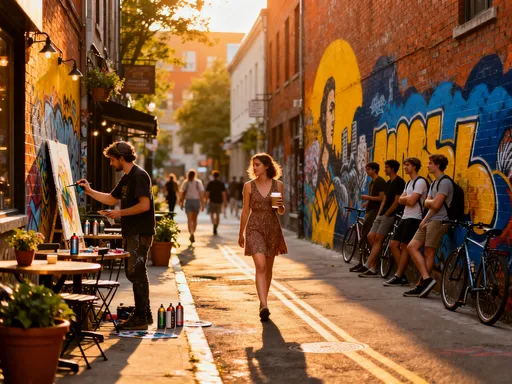
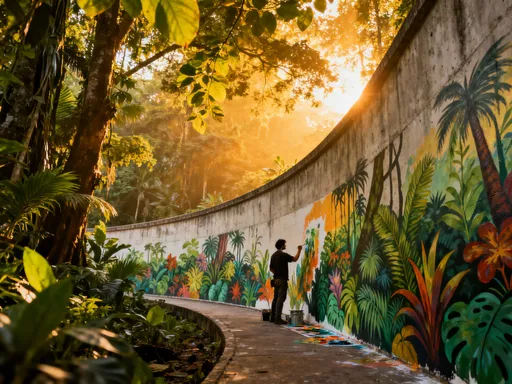
Moreover, Granada’s identity as a university town infuses its shopping culture with youthful creativity. Students contribute to a vibrant street art scene, support independent designers, and frequent vintage and secondhand shops. This dynamic mix of tradition and innovation ensures that the city’s markets never feel stagnant. Whether you’re drawn to a centuries-old spice merchant or a young ceramicist selling modern interpretations of zellige tilework, Granada offers a layered, evolving retail landscape that rewards curiosity and respect.
Elvira Street: The Heartbeat of Daily Commerce
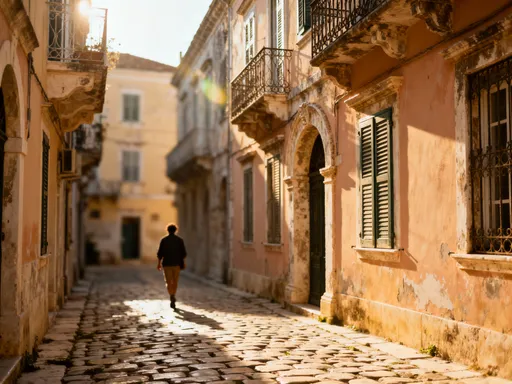
Calle Elvira serves as the central artery of Granada’s shopping life, a bustling thoroughfare where daily routines unfold alongside tourist exploration. Unlike sterile shopping districts found in other European cities, Elvira pulses with real life—students rushing to class, grandmothers bargaining for fresh herbs, and shopkeepers arranging displays of embroidered linens and hand-turned wooden combs. The street stretches from the heart of the city toward the Albaicín neighborhood, linking modern conveniences with historic charm.
What makes Elvira special is its diversity of offerings. Traditional herboristerías—herbalist shops—line the sidewalks, their wooden cabinets filled with glass jars of dried flowers, medicinal roots, and aromatic resins. These are not novelty stores; they serve the local community with natural remedies used for generations. Nearby, small boutiques showcase contemporary Andalusian fashion—linen dresses with Moorish-inspired embroidery, hand-forged silver jewelry, and alpargatas, the classic espadrilles reimagined with modern flair. The mix of old and new reflects Granada’s ability to honor tradition without resisting change.
The rhythm of Elvira changes with the day. Early mornings bring a quieter pace, ideal for unhurried browsing and conversation with shop owners. By midday, the street swells with energy as locals run errands and students take breaks between lectures. Late afternoon offers golden light filtering through iron grilles, casting intricate shadows on cobblestones—an enchanting time for photography and reflection. For visitors, timing a visit to match these rhythms enhances the experience, allowing deeper immersion in the city’s daily life.
To make the most of Elvira Street, it helps to approach it with curiosity rather than a checklist. Instead of rushing from one shop to the next, pause to ask questions. Many shopkeepers welcome genuine interest and may share stories about their products or families. Look for small details—hand-stitched seams, locally sourced materials, or labels indicating regional production. These are signs of authenticity in a world increasingly dominated by global brands. And while bargaining isn’t customary on Elvira, polite haggling in smaller stalls is often welcomed, especially when purchasing multiple items.
Alcaicería: Stepping into a Moorish Bazaar
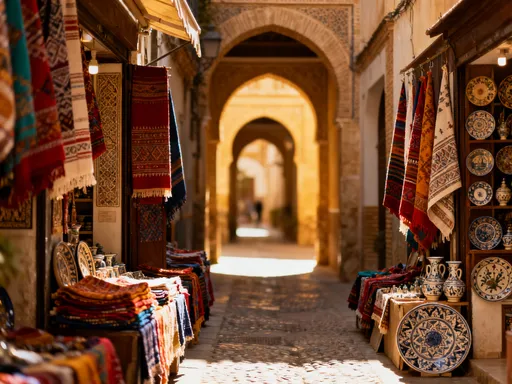
Nestled near the base of the Albaicín hill, the Alcaicería transports visitors to a different era—one of silk merchants, spice traders, and artisans weaving fortunes from thread and clay. Originally established during the Nasrid period as a royal silk market, today’s Alcaicería is a carefully preserved network of narrow passageways lined with tiny shops and open-air stalls. Though rebuilt after a fire in the 19th century, the area retains the essence of a traditional Islamic souk, with arched doorways, hanging lanterns, and the constant hum of conversation in multiple languages.
Walking through the Alcaicería feels like stepping into a living museum of craftsmanship. Vendors display handwoven textiles featuring intricate arabesque patterns, some dyed with natural pigments using methods unchanged for centuries. Delicate filigree jewelry, inspired by Moorish metalwork, glimmers under soft lighting, while ceramicists offer tagines, plates, and tiles painted with cobalt blue and terracotta hues reminiscent of the Alhambra’s interiors. The air carries a blend of scents—sandalwood, saffron, and rosewater—wafting from small apothecaries selling perfumes and bath oils.
One of the joys of the Alcaicería is the opportunity to witness artisans at work. In tucked-away corners, you might find a silversmith shaping a bracelet with a tiny hammer or a leatherworker stamping geometric designs onto a pouch. These moments of creation add depth to the shopping experience, reminding visitors that behind every product is a person, a skill, and a story. Many artisans welcome questions and are proud to explain their techniques, often pointing to family members who have practiced the same craft for decades.
Bargaining is expected in the Alcaicería, but it should be done with respect. A smile, a polite inquiry, and a willingness to walk away if the price feels too high are all part of the dance. To spot authentic pieces, look for imperfections—slight variations in dye, hand-carved details, or uneven stitching. These are not flaws; they are proof of human hands at work. Avoid items that look too perfect or mass-produced, often imported from outside Spain. Supporting genuine local makers ensures that the Alcaicería remains a true reflection of Granada’s cultural heritage.
Albaicín Market: Artisan Gems with a View
Perched high in one of Granada’s oldest and most picturesque neighborhoods, the weekend market in Albaicín offers a shopping experience defined by atmosphere as much as inventory. Held in a small plaza surrounded by whitewashed houses and climbing bougainvillea, the market attracts local artists, potters, and textile designers who transform the space into an open-air gallery of handmade excellence. What sets this market apart is its setting—shoppers can pause between stalls to gaze across the valley at the majestic silhouette of the Alhambra, bathed in morning light.
The Albaicín market specializes in one-of-a-kind creations. Unlike larger markets that cater to tourist demand with repetitive souvenirs, here each vendor offers something distinctive. You might find a ceramicist selling plates painted with motifs inspired by Andalusian poetry, or a weaver offering scarves dyed with avocado pits and onion skins. Jewelry makers incorporate recycled metals and semi-precious stones, crafting pieces that feel both ancient and contemporary. The emphasis is on sustainability, creativity, and personal expression.
Because the market operates only on weekends, it has a relaxed, almost familial vibe. Many of the artisans live in the neighborhood, and some have participated for years, building relationships with regular customers. Visitors who take the time to engage often leave with more than a purchase—they leave with a connection. A simple “¿Dónde aprendió este diseño?” (Where did you learn this design?) can spark a conversation about family traditions, artistic influences, or the challenges of maintaining a craft in a modern economy.
Shopping in Albaicín also supports the preservation of the neighborhood itself. As tourism increases, there is growing concern about commercialization eroding the area’s authenticity. By choosing to buy from local makers rather than chain stores or imported goods, visitors contribute to a more sustainable future for the community. The market is not just a place to shop; it’s a statement of values—slowness, care, and respect for place.
Where Locals Shop: Mercado de San Agustín
For a true taste of Granada’s everyday life, the Mercado de San Agustín is unmatched. This modernized indoor market, housed in a beautifully restored 19th-century building, serves as the go-to destination for Granadinos seeking fresh, high-quality ingredients. Unlike tourist-centric markets, San Agustín operates with a practical elegance—its stalls are clean, well-organized, and staffed by vendors who know their customers by name. The market’s blend of utility and culinary richness makes it a must-visit for travelers who want to eat like a local.
The market is divided into clearly marked sections, each dedicated to a specific type of product. The produce area bursts with seasonal offerings—plump tomatoes from nearby Las Alpujarras, glossy eggplants, and fragrant herbs like rosemary and thyme. Fishmongers display the day’s catch from the Mediterranean coast, including sardines, monkfish, and red prawns, while butchers offer cured hams, chorizo, and morcilla (blood sausage) made according to regional recipes. The cheese counter features both local goat cheeses and selections from across Spain, each with its own distinct character.
One of the highlights of San Agustín is its spice and dry goods section. Here, you’ll find glass jars filled with saffron threads, smoked paprika, cumin, and cinnamon—ingredients essential to Andalusian cuisine. Vendors often offer small samples or suggestions for pairings, such as using pimentón de la Vera in a stew or blending saffron with rice for a homemade paella. For those interested in cooking, picking up a few spices from this market is a simple way to bring a piece of Granada into the kitchen.
The market also includes several ready-to-eat counters serving traditional dishes. Whether it’s a warm empanada filled with tuna and olives, a plate of grilled vegetables drizzled with local olive oil, or a small cup of salmorejo (a thicker cousin of gazpacho), these bites offer a quick, delicious introduction to regional flavors. Many locals stop by for lunch, standing at small tables while chatting with neighbors. Visitors are welcome to join in, embracing the informal, communal spirit that defines Granada’s food culture.
Hidden Workshops and Family Studios
Beyond the well-trodden market paths lie Granada’s most rewarding shopping experiences—small, unmarked workshops where artisans create in plain sight. These family-run studios are often tucked into courtyards, narrow alleys, or upper floors of historic buildings, accessible only to those who seek them out. They represent the quiet heart of Granada’s creative economy, where production is slow, intentional, and deeply personal.
In the Realejo district, once home to Granada’s Jewish community, you might stumble upon a potter shaping vessels on a kick wheel, using clay sourced from the nearby Sierra Nevada mountains. In another corner, a leatherworker hammers brass studs into a belt, following a technique learned from his grandfather. These artisans rarely advertise; their reputation spreads by word of mouth, through loyal customers and curious travelers who value authenticity over convenience.
Finding these workshops requires patience and a willingness to explore. Ask local shopkeepers for recommendations, or look for signs in windows that read “Taller” (workshop) or “Artesanía” (handicraft). Some studios offer short demonstrations or allow visitors to try their hand at a simple task, such as pressing a design into leather or painting a ceramic tile. These moments of participation deepen appreciation for the skill involved and create lasting memories.
Buying directly from these makers has multiple benefits. It ensures that your money supports the creator, not a middleman or export company. It allows you to learn the story behind your purchase—the inspiration for a design, the origin of the materials, the time invested in crafting. And it fosters a sense of connection that mass-produced souvenirs can never replicate. A hand-thrown mug from a Realejo potter isn’t just a keepsake; it’s a vessel of memory, shaped by earth, fire, and human intention.
Smart Shopping Tips for a Meaningful Experience
To make the most of shopping in Granada, a few practical considerations can enhance both enjoyment and impact. First, carry cash—especially smaller bills—as many small vendors and market stalls do not accept cards. While ATMs are widely available, having euros on hand ensures you won’t miss an opportunity to buy from a street artist or family-run stall.
Second, embrace sustainability. Choose items made from natural, biodegradable, or recycled materials. Avoid plastic packaging and mass-produced trinkets that contribute to waste. Look for products labeled “hecho a mano” (handmade) or “producto local” (local product), which are more likely to support ethical practices and regional economies.
Third, be mindful of cultural norms. Spaniards often dress modestly, and public behavior is generally reserved. Speak politely, use basic Spanish phrases like “buenos días” and “gracias,” and ask before taking photos of people or their goods. Respecting these small courtesies builds goodwill and opens doors to more authentic interactions.
Finally, shop with intention. Instead of collecting souvenirs for the sake of it, choose one or two meaningful pieces that resonate with your experience. Whether it’s a hand-painted tile, a jar of saffron, or a leather notebook, let your purchase reflect what moved you about Granada. This mindful approach not only enriches your journey but also honors the artisans who keep the city’s traditions alive.
Shopping in Granada is more than transactions—it’s connection. Each purchase tells a story of heritage, passion, and place. By choosing thoughtfully, travelers don’t just take home souvenirs; they carry forward a living culture.