Wandering Christchurch: Where Local Flair Meets Hidden Shopping Gems
Christchurch, New Zealand, isn’t just about gardens and art—it’s a shopping experience waiting to be explored. I wandered its lanes and found more than I expected: boutique stores tucked behind brick facades, weekend markets buzzing with energy, and quiet spots where local makers shine. This isn’t your average mall crawl. It’s about discovery, one handmade treasure at a time. If you're looking for authentic finds and unexpected corners, Christchurch delivers in the best way. The city blends resilience with creativity, turning post-earthquake renewal into a canvas for unique retail experiences. From heritage villages to riverside independents, every shopping destination tells a story—not just of products, but of people, place, and purpose. This is retail with soul.
The Heartbeat of Urban Renewal
Christchurch’s identity has been reshaped by both loss and resilience. Following the earthquakes that altered the city’s skyline, a remarkable transformation took root—one defined not by reconstruction alone, but by reinvention. Empty lots once marked by rubble now pulse with life: temporary container malls evolved into permanent creative precincts, and abandoned buildings have been reborn as artisan workshops. This spirit of renewal is not hidden; it’s celebrated in the way the city shops. Retail here is not confined to polished storefronts—it spills into laneways, pop-up stalls, and community-driven spaces where innovation meets intention.
One of the most visible symbols of this shift is the Re:START Mall, built from repurposed shipping containers. What began as a temporary solution became a beloved landmark, housing local boutiques, cafés, and design studios. Each unit tells a story—of entrepreneurs who rebuilt from scratch, of designers finding new audiences, and of visitors discovering products that reflect both function and feeling. The mall’s colorful, modular design is a metaphor for the city itself: adaptable, vibrant, and deeply human. It’s not just a place to shop; it’s a living exhibit of urban resilience.
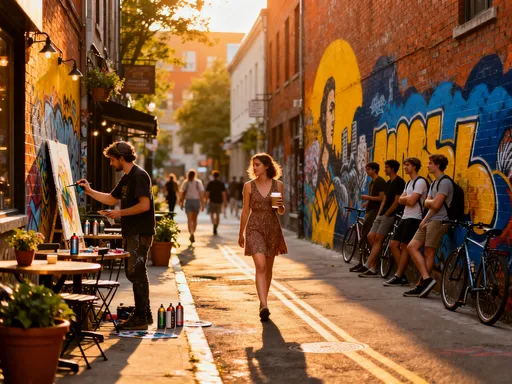
Yet the transformation extends far beyond one site. Throughout the central city, vacant spaces are activated through initiatives like Gap Filler, a community project that turns underused land into temporary parks, art installations, and micro-retail zones. These interventions invite exploration, rewarding curiosity with unexpected finds—a yarn-bombed telephone booth, a pocket garden with a handmade jewelry stand, a mural-covered alley leading to a pop-up ceramics shop. For travelers, this means shopping is no longer a linear experience. It’s a journey of discovery, where the path less traveled often leads to the most meaningful purchases.
What makes Christchurch’s retail landscape unique is its authenticity. Unlike cities where gentrification erases local character, here the emphasis is on preservation and inclusion. Independent makers are not sidelined by chain stores; they are elevated alongside them. The city’s planners and business leaders have prioritized local enterprise, offering grants and low-rent spaces to help creatives thrive. As a result, shoppers don’t just buy products—they support livelihoods, sustain traditions, and become part of a larger narrative of recovery and hope.
Riccarton Village: Tradition with a Modern Twist
Nestled among towering trees and heritage buildings, Riccarton Village offers a shopping experience rooted in charm and continuity. Once the site of a historic homestead, the area has evolved into a destination that honors its past while embracing the present. The village layout—centered around open courtyards and tree-lined walkways—encourages a slow, leisurely pace. There are no rushing crowds or blaring advertisements here. Instead, the rhythm is gentle, inviting visitors to pause, browse, and breathe.
What sets Riccarton Village apart is its balance. Long-standing boutiques that have served the community for decades sit comfortably beside newer concept stores showcasing contemporary design. A family-run gift shop might neighbor a minimalist fashion studio featuring locally dyed linen. This coexistence creates a rich tapestry of choice—one where tradition and innovation are not in conflict, but in conversation. Shoppers can find timeless woolen throws, hand-stitched leather goods, and artisanal homewares, all within a few hundred meters.
The village also serves as a hub for seasonal events, from Christmas markets to spring garden fairs. These gatherings draw locals and visitors alike, yet the atmosphere remains intimate. Unlike large commercial centers, Riccarton Village never feels overwhelming. The scale is human, the design thoughtful. Benches are placed under canopies, cafés spill onto patios, and children play in designated green spaces—making it ideal for families and older visitors seeking comfort without compromise.
Supporting regional artisans is central to the village’s mission. Many stores feature products made within a 100-kilometer radius, from beeswax candles to hand-thrown pottery. Shop owners often know the makers personally, allowing them to share stories behind the items on display. This connection transforms shopping from a transaction into an exchange—one that values craftsmanship, sustainability, and community. For travelers, it’s an opportunity to take home more than souvenirs: it’s a chance to carry a piece of Christchurch’s heart.
The Saturday Farmers’ Market at Riccarton House
Every Saturday, the grounds of Riccarton House come alive with the energy of the Christchurch Farmers’ Market—a weekly celebration of local food, craft, and connection. While fresh produce takes center stage, the market is equally renowned for its handmade goods. Stalls overflow with natural skincare infused with manuka oil, hand-knitted baby garments, and woolen scarves spun from Canterbury sheep. This is not mass production; it’s small-batch care, where every item carries the imprint of its creator.
What makes the market special is the presence of the makers themselves. Vendors aren’t just selling—they’re sharing. A soap maker might explain how cold-pressed oils preserve skin health, or a weaver might describe the seasonal shearing process that yields their soft merino yarn. These conversations deepen the shopping experience, turning each purchase into a moment of learning and appreciation. For visitors, especially those from urban environments, it’s a rare chance to reconnect with the origins of what they buy.
The sensory experience is equally compelling. The air carries the scent of wood-fired bread, roasted coffee, and lavender sachets tucked into linen drawers. Beeswax candles flicker in glass jars, their honeyed aroma mingling with the earthy smell of fresh vegetables. Musicians play acoustic sets near the entrance, their melodies drifting over the crowd. Visitors sip flat whites from local roasters while browsing hand-stamped notebooks or hand-poured soy candles. It’s a full immersion—not just in shopping, but in living.
The market also reflects Christchurch’s commitment to sustainability. Many vendors use compostable packaging, and shoppers are encouraged to bring reusable bags. Some stalls operate on a ‘pay what you can’ model for surplus produce, ensuring access for all. This ethos of care extends beyond the environment to the community itself. Proceeds from select stalls support local charities, from food banks to youth art programs. To shop here is to participate in a cycle of generosity—one that values people as much as products.
The Crossing and BNZ Centre: City Convenience Meets Style
In the heart of Christchurch’s central business district, The Crossing and BNZ Centre offer a seamless blend of convenience and character. Connected by covered walkways, these malls serve as a refuge on rainy days and a practical starting point for city exploration. While they house familiar retailers—bookstores, pharmacies, fashion chains—their design and curation set them apart from generic shopping centers. Light-filled atriums, native plant installations, and locally inspired artwork create an atmosphere that feels both modern and grounded.
What makes these malls worth visiting is their integration of local talent. Nestled between mainstream stores are small studios and kiosks featuring New Zealand-made goods. A jewelry designer might display pounamu (greenstone) pendants carved with traditional Māori motifs. A souvenir stand could offer hand-printed tote bags with illustrations of native birds. These inclusions ensure that even in a commercial space, the local identity remains visible and valued.
Wayfinding is intuitive, with clear signage and friendly staff available to assist. Benches are plentiful, and seating areas are designed for comfort, not just function. Parents will appreciate the family-friendly amenities, including baby-changing stations and quiet zones. For older visitors, the even flooring and accessible entrances make navigation easy. These details reflect a city that cares about inclusivity—where shopping is not a race, but a relaxed experience.
The malls also host rotating pop-up events, from seasonal gift markets to craft workshops. During the holiday season, a mini Christmas village appears, complete with wooden stalls, hot chocolate stands, and visits from Santa. These events draw families and couples alike, adding warmth to the urban environment. Even on ordinary days, the space feels alive—thanks to live piano music in the atrium or a roving magician entertaining children. The Crossing and BNZ Centre prove that convenience and charm can coexist, offering a shopping experience that is both efficient and enriching.
Barter Books & Quirky Independents on Oxford Terrace
Along the banks of the Avon River, Oxford Terrace unfolds as a corridor of independent charm. Here, retail is not about volume, but about vision. Small shops with hand-painted signs and curated windows invite passersby to step inside and explore. This is where Christchurch’s creative soul shines brightest—where bookstores double as community hubs, and ceramics studios double as galleries.
One standout is Barter Books, a secondhand bookstore with a unique twist: customers can trade three paperbacks for a coffee voucher redeemable at the adjacent café. The shop’s shelves are organized by mood rather than genre—‘Comfort Reads,’ ‘Adventures Far Away,’ ‘Stories That Stay With You.’ It’s a place where discovery is encouraged, and conversation is inevitable. Regulars often linger over coffee, discussing their latest finds, while visitors leave with both books and new connections.
Just down the street, a minimalist ceramics studio sells mugs, bowls, and vases shaped entirely by hand. The owner, a local potter, fires each piece in a small kiln behind the shop. Customers can watch the glazing process through a large window, adding transparency and intimacy to the experience. Prices are modest, reflecting a desire to make art accessible. Many visitors return not just for the pottery, but for the quiet joy of witnessing creation in real time.
Other stores on Oxford Terrace follow a similar ethos. A stationery shop features locally illustrated greeting cards and handmade paper. A vintage clothing store rotates its inventory monthly, ensuring repeat visitors always find something new. These businesses thrive not on high turnover, but on loyalty and word-of-mouth. They are the kind of places where shop owners remember your name, ask about your week, and recommend a new café down the lane. Shopping here feels personal—like being welcomed into a circle of friends.
Heathcote Valley Market: Off the Beaten Path
Held on the second Sunday of each month, the Heathcote Valley Market is a hidden gem known primarily to locals. Tucked away in a residential suburb, it’s not marked on most tourist maps—but those who find it often describe it as the most authentic shopping experience in Christchurch. With no corporate vendors allowed, every stall represents an individual maker or small family business. The result is a market that feels unpolished, warm, and deeply real.
Products here are as diverse as they are handmade: leather belts stitched with recycled belts, children’s clothing made from organic cotton, wooden toys crafted from sustainably sourced timber. One stall sells organic pet treats made with free-range chicken, while another offers hand-dipped beeswax wraps as plastic-free alternatives to cling film. The emphasis is on quality, sustainability, and care—not speed or scale.
Conversations flow easily. A potter might explain how the local clay gives their mugs a unique texture. A knitter could describe how she dyes her yarn using native plant extracts. These interactions transform shopping into storytelling, where every purchase comes with context and connection. Visitors often leave not just with goods, but with memories—of laughter shared, recipes exchanged, or a child mesmerized by a spinning wool wheel.
The market’s location adds to its charm. Directions are often vague—‘past the old schoolhouse, turn left at the gum tree’—but that’s part of the adventure. It’s a reminder that some of the best experiences aren’t found by following a map, but by trusting intuition and embracing detours. For travelers willing to wander beyond the guidebooks, Heathcote Valley offers a glimpse into the heart of Christchurch’s creative community—a place where making and sharing are one and the same.
Tips for Wandering with Purpose
To truly experience shopping in Christchurch, it’s essential to slow down. This is not a city that rewards rushing. The best finds often lie just around the corner from the main path—behind a vine-covered wall, down a narrow lane, or at the end of a gravel drive. Walking or cycling is not just eco-friendly; it’s strategic. The city’s compact layout makes it easy to cover ground, and the flat terrain is ideal for all fitness levels. Bike rentals are available throughout the center, and dedicated paths connect major shopping zones.
Carrying cash is still advisable, especially at markets and small studios. While many vendors now accept digital payments, others—particularly those at grassroots events—operate on a cash-only basis. Having small bills on hand ensures you won’t miss out on a hand-stitched bookmark or a jar of homemade lavender honey. It’s also a small way to support micro-entrepreneurs who may not have access to card processing systems.
One of the most valuable resources is the shop owner. Don’t hesitate to ask for recommendations. Many will point you to nearby studios, upcoming pop-ups, or hidden courtyards worth exploring. These personal tips often lead to the most memorable discoveries—like a tucked-away printmaker or a café that serves scones with homemade jam. Locals take pride in their city’s creative landscape and are eager to share it.
Finally, keep an open mind. The best finds aren’t always in storefronts. They might be at a roadside stall with a ‘Handmade’ sign and a smiling vendor, or at a weekend craft fair in a community hall. Christchurch’s shopping culture is built on authenticity, not polish. It values the imperfect, the personal, the human. When you shop here, you’re not just acquiring objects—you’re participating in a culture of care, creativity, and connection.
Shopping in Christchurch isn’t transactional—it’s relational. Every purchase connects you to a maker, a story, a place rebuilt with heart. Whether you're drawn to polished boutiques or grassroots markets, the city invites you to wander with curiosity. In doing so, you don’t just take home souvenirs—you carry back moments of genuine connection. Let your footsteps guide you. The real treasures aren’t on shelves. They’re in the discovering.