This Tiny City in Timor-Leste Will Steal Your Heart – Slow Travel at Its Most Raw
You know that feeling when a place just gets you? Baucau did that to me. Nestled in the hills of East Timor, this quiet coastal city isn’t about crowded attractions or photo-op viewpoints. It’s about rhythm—the slow climb of winding roads, the scent of wild ginger on mountain trails, and coffee grown on terraced slopes where time moves with intention. I went looking for scenery, but found something deeper: a landscape that shapes how you breathe, think, and remember. In Baucau, beauty isn’t something you consume—it’s something you live into, step by deliberate step, breath by breath.
Why Baucau? The Allure of East Timor’s Forgotten Gem
Baucau is not a name that rolls off the tongue in most travel conversations. As the second-largest city in Timor-Leste, it rests quietly along the northern coast, overlooked by international itineraries yet deeply resonant for those who take the time to arrive. Perched between the rugged interior highlands and the shimmering expanse of the Wetar Strait, Baucau offers a rare combination: accessibility without commercialization. Unlike Dili, the capital, where motorcycles buzz through streets lined with colonial ruins and modest markets, Baucau moves at a different tempo—one shaped by altitude, agriculture, and tradition.
What makes Baucau stand out is not grand monuments or luxury resorts, but its authenticity. Tourism infrastructure is minimal, which means no guided tour buses, no souvenir stalls every fifty meters, and no pressure to check off a list of must-see spots. Instead, visitors encounter daily life as it unfolds: women balancing baskets on their heads along red-dirt paths, children playing barefoot near stone-walled homes, and elders sitting under mango trees, watching the world pass by at a pace they helped define.
The city’s location adds to its quiet charm. Elevated above sea level, Baucau enjoys cooler temperatures than the humid lowlands, making early mornings crisp and evenings gentle. Mist often lingers in the valleys until midday, wrapping the hills in soft layers of gray and green. Rooster calls echo across the slopes, blending with the distant clang of a blacksmith’s hammer or the murmur of Tetum spoken on a shaded porch. This is a place that reveals itself slowly, not through spectacle, but through presence.
The Terrain That Shapes the Journey: Mountains, Cliffs, and Hidden Valleys
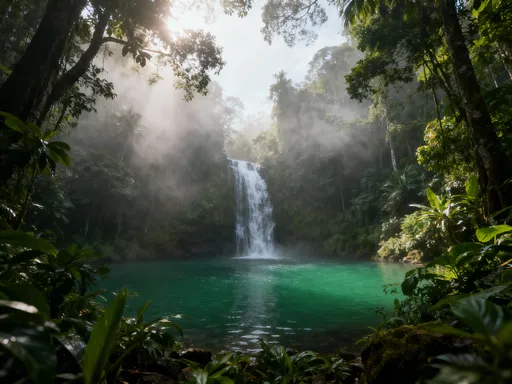
The land around Baucau is not passive scenery—it is an active participant in the travel experience. Steep coastal escarpments rise abruptly from the sea, their flanks carved by centuries of rainfall and seasonal monsoons. Terraced hillsides, some so steep they seem to defy gravity, are carefully maintained by local farmers who have worked this soil for generations. Deep river gorges cut through the landscape, their beds dry for much of the year but transformed into rushing channels during the rainy season.
This dramatic topography dictates how one moves through the region. Roads are narrow, often unpaved, and winding—requiring drivers to proceed with caution and passengers to surrender any notion of punctuality. Four-wheel-drive vehicles are recommended, especially during the wet months, when sudden downpours can turn dirt tracks into slippery red ribbons. But this challenging terrain is precisely what makes Baucau ideal for slow travel. There is no rushing here. Every curve in the road invites a pause, every climb rewards with a new perspective.
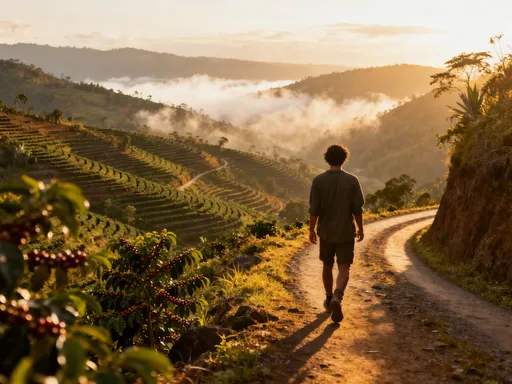
Elevation changes create distinct microclimates across short distances. Within a single day, a traveler might begin in the cool highlands, descend into a warm, humid valley, and end at the breezy shoreline. These shifts support diverse ecosystems and agricultural practices, most notably coffee cultivation. At higher altitudes, where mist clings to the trees and temperatures remain moderate, Arabica beans thrive in the shade of native eucalyptus and acacia. The land does not yield easily—it demands respect, patience, and care.
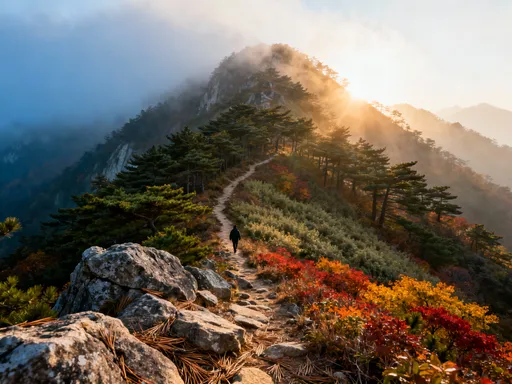
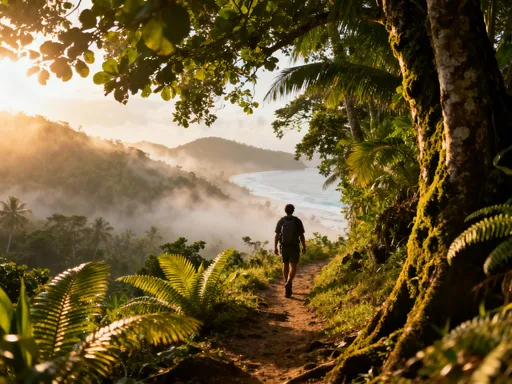
For hikers and explorers, the foothills of Mount Matebian offer some of the most breathtaking vantage points in the region. Though the full ascent is a multi-day trek requiring preparation, even partial climbs reveal sweeping panoramas: layered ridges fading into the distance, villages nestled in folds of the earth, and on clear days, the distant outline of neighboring islands across the strait. These views are not framed by railings or ticketed entrances—they are earned through effort and offered freely by the land itself.
Slowing Down: How the Landscape Dictates the Pace
In Baucau, the concept of slow travel is not a trend—it is a necessity. With limited internet connectivity, few ATMs, and minimal signage in English, visitors quickly learn to let go of digital dependencies and rigid schedules. There are no ride-hailing apps, no instant translations, no way to rush communication. Instead, travelers must rely on gestures, smiles, and the occasional shared phrase in Portuguese or Tetum. This disconnection is not a drawback; it is a gift.
Time here unfolds differently. A journey from one village to another might take hours not because of distance, but because of the rhythm of the road and the interruptions that feel less like delays and more like invitations. A flat tire becomes a chance to sit under a tree with a local mechanic who offers sweet, milky tea. A sudden rainstorm traps you in a small wooden shelter, where children laugh and point at your raincoat while their mother shares roasted sweet potatoes from a roadside fire.
Hiking from village to village, one begins to notice subtle shifts in the environment and culture. Each community has its own character—some known for weaving, others for pottery or farming techniques passed down through families. Stopping to rest often turns into an impromptu visit, with elders offering stories of the land, the resistance, and the changes they’ve witnessed over decades. These moments are not curated for tourists; they happen because you are present, patient, and open.
The physical act of moving through this terrain recalibrates the mind. Climbing a steep path requires focus—on breath, on footing, on the next step. There is no multitasking, no scrolling, no distractions. In that simplicity, a kind of clarity emerges. Thoughts slow. Senses sharpen. You begin to notice things you might otherwise overlook: the pattern of light through banana leaves, the sound of a stream beneath stones, the way a farmer’s hands move with precision as he repairs a stone wall. The landscape teaches mindfulness not through instruction, but through immersion.
Following the Coffee Trail: Agriculture as Terrain and Culture
Coffee is more than a crop in Baucau—it is a thread woven through the fabric of daily life. Smallholder farms dot the hillsides, their plots carefully terraced and shaded by native trees that protect the delicate coffee plants from harsh sun and wind. Most of these farms are family-run, with harvests processed using traditional wet-hulling methods that enhance the beans’ natural acidity and complexity. The result is a high-quality Arabica, often described as bright, floral, and slightly spicy—a reflection of the volcanic soil and cool mountain air.
Visiting a coffee farm in Baucau is not a staged performance. There are no glossy visitor centers or scripted tours. Instead, travelers might be invited to walk the rows with a farmer, pick cherries by hand, and watch as the beans are pulped, fermented, and sun-dried on raised beds. Some families offer homestays where guests can participate in the entire process, from harvest to roasting. These experiences are not about efficiency; they are about connection.
The coffee-growing cycle follows the seasons. Harvest typically begins in August and lasts through November, depending on elevation and rainfall. During this time, entire communities come together—children help sort beans, elders supervise drying, and neighbors share tools and knowledge. The rhythm of coffee mirrors the rhythm of the land: deliberate, cyclical, rooted in patience. For visitors, engaging with this process offers a rare glimpse into a way of life that values sustainability over speed, quality over quantity.
Supporting local coffee cooperatives is one of the most meaningful ways to travel responsibly in Baucau. Many farmers belong to community-based groups that pool resources, share equipment, and negotiate fair prices in international markets. By purchasing beans directly or visiting cooperative-run cafes in town, travelers contribute to economic resilience without disrupting local dynamics. More than a souvenir, a bag of Baucau coffee becomes a tangible memory—a taste of the highlands, a reminder of the hands that grew it, and the land that shaped it.
Coastal Contrasts: From Mountain Peaks to Ocean Breezes
While the highlands define much of Baucau’s character, its coastline offers a striking counterpoint. Baucau Beach stretches in a wide arc along the northern shore, its golden sand meeting the turquoise waters of the Wetar Strait. Unlike resort-lined beaches in other parts of Southeast Asia, this shoreline remains largely untouched—no sunbeds, no music, no commercial development. Locals use the space for fishing, gathering, and play, not tourism.
Mornings here are especially alive. Fishermen haul in their catch from overnight trips, laying out silvery mackerel and red snapper on woven mats. Children dart between boats, flying kites made from plastic bags and bamboo strips. Women sort shells and crabs, preparing food for family meals or small roadside sales. The rhythm is communal, unhurried, deeply tied to the tides.
At low tide, the exposed flats reveal a hidden world. Rock pools teem with tiny crabs, sea anemones, and darting fish—perfect for quiet observation or a child’s exploration. Shorebirds wade through shallow channels, their long legs moving with precision. For visitors, this is not a place to swim or sunbathe, but to witness—a reminder that beauty exists in function, in sustenance, in the everyday.
The transition from mountain to coast is more than geographical—it is sensory and emotional. The cool, thin air of the highlands gives way to warm humidity. The scent of pine and soil is replaced by salt and drying seaweed. The quiet of forest trails yields to the constant murmur of waves and gulls. Moving between these worlds, one begins to appreciate the fullness of Baucau’s landscape—not as a single destination, but as a mosaic of ecosystems, each supporting its own way of life.
Staying Local: Simple Lodging and Human Connections
Accommodation in Baucau reflects the region’s ethos of simplicity and hospitality. Most options are small guesthouses or homestays run by East Timorese families who open their homes with genuine warmth. Rooms are basic but clean—often with concrete floors, mosquito nets, and windows that open to views of gardens, hills, or the distant sea. Shared bathrooms are common, and hot water may be available only in the late afternoon, heated by solar panels or wood-fired systems.
What these lodgings lack in luxury, they make up for in authenticity. Many hosts prepare meals using ingredients from their own gardens or local markets—cassava boiled with coconut milk, grilled fish caught that morning, papaya sliced fresh from the tree. Sitting on a veranda at dusk, sharing a meal with a host family, conversation often flows in fragments—broken Portuguese, gestures, laughter over misunderstood words. Yet these exchanges feel richer than any perfectly translated dialogue.
Children might shyly offer drawings or practice English phrases they’ve learned in school. Elders may share stories of independence, of resilience, of how life has changed since 1999. These moments are not performative; they are offered freely, without expectation. To be welcomed in this way is to be seen not as a tourist, but as a guest—a distinction that carries deep cultural meaning.
Staying in a homestay also supports the local economy directly. Income goes to families, not international chains. Meals are cooked by hand, not outsourced. Waste is minimal, often composted or reused. This model of travel aligns perfectly with slow tourism—small footprint, deep impact, mutual respect.
Traveling Responsibly: Respecting Fragile Land and Culture
Baucau’s beauty is fragile, shaped by centuries of careful stewardship and vulnerable to sudden change. The steep slopes are prone to erosion, especially when vegetation is removed or rainfall intensifies. Waste management systems are limited, making litter a serious concern. Freshwater sources are precious, and energy resources are often scarce. Travelers have a responsibility to minimize their impact and honor the balance that sustains this place.
Simple choices make a difference. Carrying reusable water bottles, avoiding single-use plastics, and packing out trash are essential practices. Staying on marked trails prevents soil disturbance and protects native plants. When visiting villages or farms, asking permission before taking photographs—especially of people—is a basic sign of respect. Learning a few phrases in Tetum, such as “Bom dia” (good morning) or “Obrigadu” (thank you), goes a long way in building trust and connection.
Supporting local businesses—whether a family-run cafe, a women’s weaving cooperative, or a farmer’s market—ensures that tourism benefits the community directly. Avoiding large imported goods or foreign-owned enterprises helps maintain economic resilience. Equally important is the attitude one brings: humility, openness, and a willingness to listen more than speak.
Slow travel in Baucau is not about transforming the place for visitors, but about allowing the place to transform the visitor. It means accepting discomforts—rough roads, basic facilities, language barriers—not as inconveniences, but as part of the experience. It means resisting the urge to document every moment, and instead, being fully in it. It means leaving space for the land and its people to exist on their own terms, not reshaped to fit a tourist ideal.
In a world where destinations are often consumed quickly and forgotten just as fast, Baucau offers an alternative. It asks for time, presence, and respect. In return, it gives depth, connection, and a quiet kind of joy—one that lingers long after the journey ends.
Wrap up by reflecting on how Baucau’s special terrain does more than impress—it transforms. It teaches stillness, rewards patience, and reveals beauty in simplicity. In a world racing toward the next highlight, Baucau reminds us that the deepest journeys unfold not in miles, but in moments of connection—with land, people, and self. The real treasure isn’t just the view from the ridge, but who you become walking toward it.