You Won’t Believe What We Found Exploring Kuching’s Hidden Corners
Kuching, Malaysia, is more than just a gateway to Borneo—it’s a city where jungle meets culture and every alley hides a new discovery. I went searching for scenic gems beyond the postcard spots and found waterfalls, hilltop temples, and riverside trails that left me speechless. This isn’t your typical tourist trail; it’s real exploration. If you're craving authentic beauty with zero crowds, Kuching delivers in ways you’d never expect.
Arrival in Kuching: First Impressions That Surprise
Landing at Kuching International Airport feels like stepping into a quieter, greener rhythm of life. Unlike the bustling energy of Kuala Lumpur or Bangkok, Kuching greets visitors with a sense of calm. The air is thick with humidity and the faint scent of tropical blossoms, and just beyond the tarmac, dense jungle presses close, a reminder that nature is never far away. As the taxi winds through the city, the first thing that catches the eye is the abundance of cat statues—after all, Kuching means 'cat' in Malay. But the real charm lies not in the feline motifs, but in the seamless blend of urban life and wild greenery.
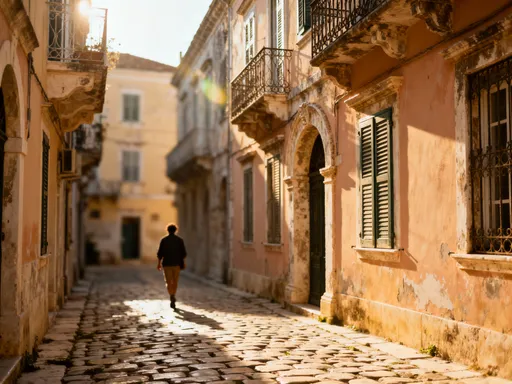
The city’s pace is unhurried, almost gentle. Street vendors set up under shaded awnings, selling steaming bowls of laksa or fresh coconut water, while office workers pause under broad rain trees to sip coffee. There’s no aggressive tourism or pushy touts—just a lived-in authenticity that feels refreshing. The buildings are a mix of colonial-era facades and modern concrete, but what stands out is the green: ferns spilling from balconies, vines climbing old brick walls, and palm trees framing every corner. This is not a city trying to impress—it’s one that simply exists, comfortably, in its own skin.
What makes Kuching different from other Southeast Asian destinations is its balance. It offers modern conveniences—clean streets, reliable internet, and welcoming accommodations—but without sacrificing its soul. The people are warm without being performative, and the culture is present in daily life, not just on display for tourists. For travelers who value authenticity over spectacle, this first impression is a promise: Kuching will not disappoint.
The Heartbeat of the City: Exploring the Sarawak Riverfront
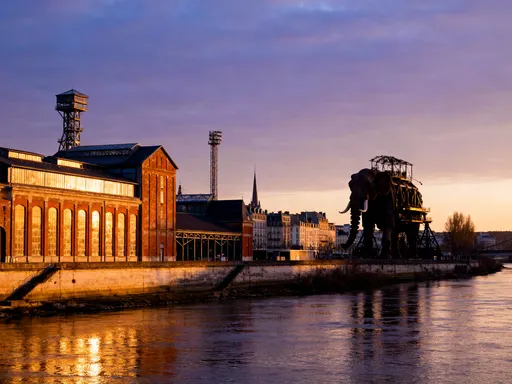
The Sarawak Riverfront is where Kuching truly comes alive. Stretching along the banks of the wide, slow-moving river, the promenade is a place of movement and stillness in equal measure. At sunrise, the sky blushes pink over the opposite shore, and the city begins to stir. Joggers in light cotton shirts weave past elderly couples practicing tai chi, while fishermen cast their lines from wooden platforms, hoping for a morning catch. The air is cool then, carrying the clean scent of water and wet earth. By evening, the scene transforms—lanterns glow along the railing, families gather on benches, and the skyline lights up in soft golden hues.
One of the most striking features of the riverfront is how it connects different layers of life. On one side, you have the modern city with its government buildings and shopping arcades. On the other, traditional Bidayuh and Iban longhouses sit on stilts above the water, their intricate carvings and thatched roofs a testament to Sarawak’s indigenous heritage. It’s not a museum exhibit—it’s a living culture, with children playing outside, laundry drying in the breeze, and elders sharing stories in low voices. This coexistence of old and new is what gives Kuching its depth.
Street vendors line the walkway, offering local favorites like kolo mee—springy egg noodles tossed in a savory shallot oil—and iced bandung, a sweet rose syrup drink. The food is simple but deeply satisfying, and eating here, with the river flowing beside you and the city humming in the background, feels like being let in on a local secret. The riverfront isn’t just a scenic spot; it’s the pulse of Kuching, where history, nature, and community flow together like the water itself.
Hidden Waterfalls Just Outside Town: Tiboboboan and Semadang
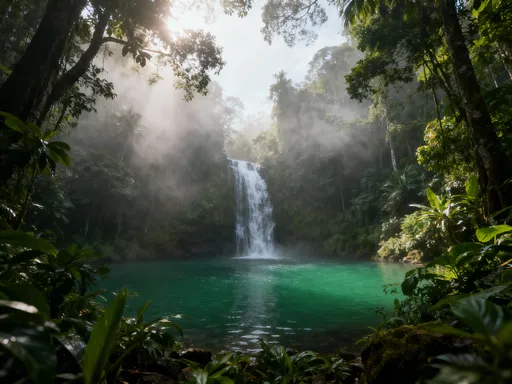
Just a short drive from the city center, two hidden waterfalls offer a refreshing escape into nature. Tiboboboan Falls and Semadang Falls are not on every tourist map, but they are treasures for those willing to venture a little beyond the usual paths. Nestled in the hills outside Kuching, these falls are surrounded by dense rainforest, their waters cascading over moss-covered rocks into clear, emerald pools. The journey itself is part of the experience—winding roads flanked by banana trees and wild ginger, the occasional glimpse of a hornbill soaring overhead.
Tiboboboan Falls is the more accessible of the two, with a well-marked trail that takes about 15 minutes to descend. The sound of rushing water grows louder with each step, and when you emerge at the base, the sight is breathtaking: a multi-tiered cascade plunging into a wide pool perfect for swimming. The water is cool but not cold, and the mist rising from the rocks carries a clean, earthy scent. Locals often gather here on weekends, laughing and splashing in the shallows, while others sit on shaded rocks, enjoying packed lunches of rice and grilled fish.
Semadang Falls, slightly farther and less visited, feels even more secluded. The path is rougher, and the final stretch requires careful footing, but the reward is worth it. Here, the waterfall is narrower but taller, plunging dramatically into a deep pool surrounded by ferns and towering trees. The air is hushed, broken only by the constant rush of water and the occasional bird call. It’s a place to sit in silence, to feel the spray on your skin, and to remember what it means to be immersed in nature.
For visitors without a rental car, both falls are reachable by hiring a local driver for the day or joining a small-group eco-tour. The best time to visit is early morning or late afternoon, when the light filters through the canopy in golden shafts and the crowds are thin. Bring water shoes, a towel, and plenty of drinking water, and don’t forget insect repellent—this is the jungle, after all. These waterfalls are not manicured attractions; they are wild, alive, and utterly unforgettable.
Top-Spot Views: Bukit Siol and the Secret Hilltop Temple
Rising above the city’s skyline, Bukit Siol offers one of the most rewarding viewpoints in Kuching. While not the tallest hill in the area, its accessibility and panoramic vistas make it a favorite among locals and adventurous travelers. The climb can be done on foot—a steady 30-minute ascent through shaded trails—or by scooter for those who prefer a quicker route. Either way, the effort is repaid with sweeping views of Kuching sprawled below, the Sarawak River winding like a silver ribbon through the green.
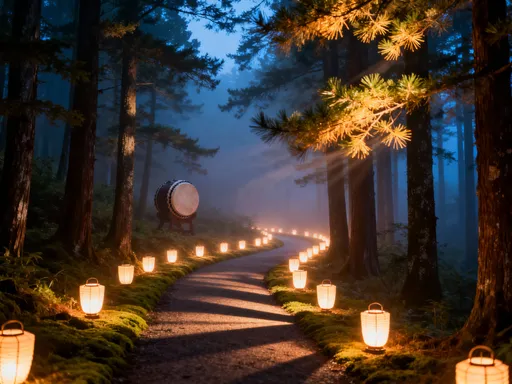
Halfway up the hill, tucked into a quiet grove of trees, lies a small Taoist temple that most tourists never see. Simple in design, with red lanterns swaying in the breeze and incense coils burning slowly, the temple radiates peace. Visitors leave offerings of fruit and flowers, and the soft chime of a wind bell adds to the meditative atmosphere. It’s not grand or ornate, but its quiet dignity is moving. Standing there, with the city in the distance and the forest all around, it’s easy to feel a sense of connection—to place, to moment, to something greater.
The best time to visit is late afternoon, when the sun begins to dip and the sky turns golden. As the light softens, the city lights start to flicker on, and the air cools with the evening breeze. Photographers will find endless compositions: the temple’s red roof against the green canopy, the cityscape glowing in the distance, or the silhouette of a lone figure in prayer. But even without a camera, the experience is profound. Bukit Siol is not just a viewpoint—it’s a place of reflection, where the noise of daily life fades and clarity takes its place.
Jungle Trails with Rewards: The Kubah National Park Experience
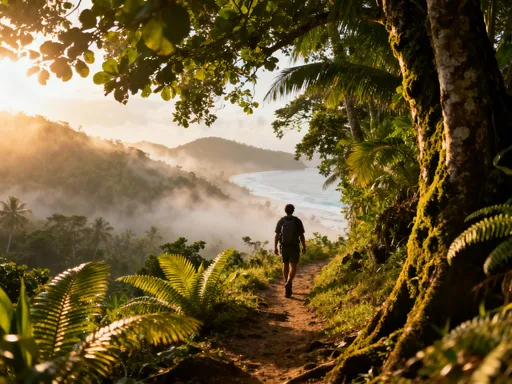
Kubah National Park, just 20 kilometers from Kuching, is a haven for nature lovers and casual hikers alike. Unlike some remote parks that require days of trekking, Kubah offers rich biodiversity and stunning scenery within easy reach. The park’s network of well-maintained trails winds through primary and secondary rainforest, leading to hidden clearings, rocky outcrops, and lush valleys. It’s a place where every turn reveals something new—a cluster of wild orchids, a towering dipterocarp tree, or the sudden flash of a kingfisher darting through the undergrowth.
One of the highlights of Kubah is its collection of pitcher plants, some of the largest in the world. These carnivorous plants thrive in the park’s nutrient-poor soil, their bulbous traps glistening with dew. Guided walks are available, and knowledgeable rangers point out species like Nepenthes rajah, which can hold up to two liters of liquid. Seeing these plants in the wild—so delicate yet so fierce—is a reminder of nature’s ingenuity.
Wildlife encounters are common, though often fleeting. The Bornean bearded pig, a stocky forest dweller with distinctive whiskers, sometimes wanders near the trails at dawn. More elusive is the Bornean gibbon, whose haunting call echoes through the trees at sunrise. Birdwatchers may spot the rhinoceros hornbill, its bright yellow casque unmistakable against the green. Even without a sighting, the forest feels alive—the rustle of leaves, the hum of insects, the distant cry of a monitor lizard.
Short hikes like the 1.2-kilometer trail to Bako Hill offer big rewards with minimal effort. The path is shaded, the footing stable, and the summit delivers a breathtaking view of the surrounding canopy. For those seeking more adventure, longer trails lead to remote waterfalls and secluded pools. Whatever the route, the experience is the same: a deep immersion in one of the world’s oldest rainforests, where every breath feels cleaner, every sound more vivid.
River Adventures: Kayaking the Santubong Peninsula
A different kind of wilderness awaits just north of Kuching, where the Santubong Peninsula juts into the South China Sea. Here, mangrove-lined rivers offer a unique way to explore Borneo’s coastal ecosystem—by kayak. Paddling through narrow waterways, surrounded by tangled roots and overhanging branches, feels like entering another world. The water is still and dark, reflecting the sky like a mirror, and the only sounds are the dip of the paddle and the occasional splash of a fish.
The real magic lies in the wildlife. Proboscis monkeys, with their long, drooping noses and potbellies, swing from tree to tree in small troops. Endangered and endemic to Borneo, these comical yet majestic creatures are a highlight for many visitors. Kingfishers dart across the water, and monitor lizards sun themselves on logs, slipping into the river as you approach. At low tide, mudskippers—small fish that walk on land—skitter across the exposed banks, their movements almost comical.
Kayak tours typically last two to three hours and are suitable for all skill levels. Most operators provide double kayaks, life jackets, and experienced guides who know the best routes and tides. Eco-conscious companies emphasize low-impact practices, avoiding loud noises and maintaining a respectful distance from animals. This is not a thrill ride—it’s a slow, mindful journey through a fragile and beautiful ecosystem.
The blend of tranquility and discovery is what makes this experience so special. One moment you’re gliding silently beneath a canopy of mangroves, the next you’re laughing at a monkey’s antics or marveling at the way sunlight filters through the leaves. It’s adventure without adrenaline, a reminder that some of the most memorable moments in travel come from stillness, not speed.
Why Kuching Stays With You: The Quiet Magic of Authentic Discovery
Kuching doesn’t dazzle with grand monuments or flashy attractions. Its power lies in subtlety—in the way sunlight filters through jungle leaves, the sound of a temple bell at dusk, or the shared smile with a local vendor. The scenic spots here are not staged for photos; they are lived-in, real, and deeply connected to the rhythms of daily life. There’s no need to rush from one landmark to the next. Instead, Kuching invites you to slow down, to notice, to feel.
What stays with you after a visit is not just the beauty, but the sense of discovery. Finding a hidden waterfall, stumbling upon a quiet temple, or paddling through a silent mangrove forest—these moments feel earned, not handed to you on a tour bus. They create a deeper kind of memory, one tied to emotion and presence rather than just sightseeing. For many travelers, especially those balancing family life and busy schedules, this kind of meaningful connection is rare—and precious.
Kuching also reminds us that travel doesn’t have to mean going far or spending more. It can be a weekend escape, a chance to breathe, to reconnect with nature and with oneself. The city welcomes travelers of all ages and interests, offering experiences that are enriching without being overwhelming. Whether you’re hiking, kayaking, or simply sitting by the river with a cup of tea, Kuching offers space—for reflection, for joy, for quiet wonder.
In a world where so many destinations feel overexposed and overvisited, Kuching stands apart. It doesn’t shout for attention. It whispers. And if you listen closely, you might just hear it calling you back.