You Won’t Believe What’s Hiding in Gwangju’s Terrain
I’ll be honest — I didn’t expect much from Gwangju beyond its history and culture. But the moment I stepped into its hills and river valleys, I was blown away. The city isn’t just flat urban sprawl; it’s carved by mountains, woven with streams, and shaped by nature in ways most people never talk about. This is terrain that invites exploration — quiet trails, unexpected viewpoints, and green spaces that feel completely off the radar. If you think you know Gwangju, think again.
Reimagining Gwangju: Beyond the City Streets
Gwangju is often introduced as a city of art, democracy, and tradition — and rightly so. Its museums, galleries, and historic sites draw visitors eager to understand Korea’s cultural evolution. Yet, beneath this well-earned reputation lies a landscape too often overlooked: one of rolling hills, natural ridges, and valleys quietly shaping the rhythm of daily life. The city is nestled within a basin surrounded by the Mudeungsan mountain range, a geological embrace that has guided its growth for centuries. Far from being a flat, sprawling metropolis, Gwangju rises and falls with the land, its neighborhoods climbing slopes and winding through green corridors that blur the line between urban and wild.
This topographical complexity influences everything from street layouts to air quality. Residential areas in districts like Hwajeong-dong and Sanjicheon are built into the hillsides, where homes step upward along stone staircases and narrow lanes follow the natural contours of the land. Public parks aren’t just decorative green spaces; they’re integrated into the terrain, often preserving original slopes and streambeds. Even the city’s famous food markets benefit from elevation — the cool breezes that drift down from Mudeungsan help moderate temperatures, making outdoor markets comfortable even in early summer. For visitors, this means every walk can become a gentle ascent, each turn revealing a new perspective — literally and figuratively.
Understanding Gwangju’s terrain transforms how one experiences the city. Instead of viewing it as a series of destinations to check off a list, travelers begin to see it as a living landscape shaped by both human hands and natural forces. The way sunlight hits a hillside in the late afternoon, the sound of water trickling through a concrete-lined urban stream, the sudden coolness as you enter a shaded valley — these are not incidental details. They are the quiet signatures of a city built in harmony with its land. Recognizing this invites a deeper kind of tourism, one rooted in awareness and appreciation of place.
Mudeungsan National Park: The Backbone of the Region
Rising to 1,187 meters, Mudeungsan National Park is more than just a scenic backdrop — it is the geological and spiritual heart of Gwangju. Designated as a national park in 2012, Mudeungsan is composed primarily of Jurassic-period granite, formed over 100 million years ago through volcanic activity and tectonic shifts. Over millennia, erosion has sculpted this granite into dramatic formations, including the iconic Gwangju Am, a towering rock pillar that stands like a sentinel over the city, and Seoseokdae, a broad, flat summit offering panoramic views across the Honam plain. These formations are not just visually striking; they are evidence of a powerful natural history that continues to shape the region.
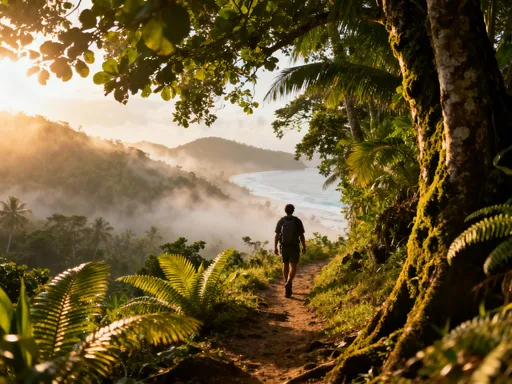
The park offers a range of hiking trails that cater to different skill levels, each revealing unique aspects of the terrain. The Soseongni Course is one of the most popular for beginners, featuring a gently graded path through pine forests and across wooden boardwalks that protect the fragile undergrowth. Midway up, hikers pass through a moss-covered stone gate, a remnant of an old temple trail, where the air grows cooler and the scent of damp earth and pine resin fills the senses. More experienced trekkers often choose the Jeungsimsa Course, which ascends steeply from the eastern foothills, requiring careful footing on rocky steps and offering dramatic views of sheer cliffs and deep ravines.
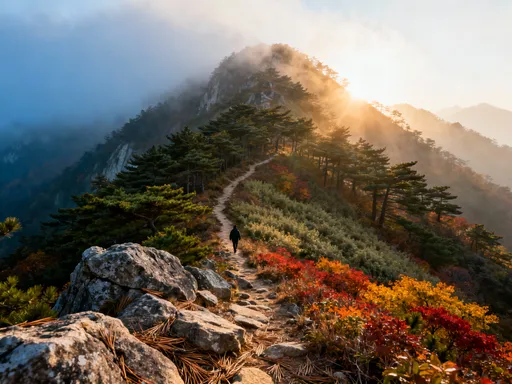
Seasonal changes bring new dimensions to the mountain experience. In spring, azaleas bloom in vibrant bursts along the ridgelines, their pink and red flowers clinging to rocky outcrops. By early summer, the forest canopy thickens, creating a lush, shaded environment ideal for escaping the city heat. Autumn transforms Mudeungsan into a tapestry of gold, crimson, and amber, particularly visible from high vantage points like Cheonwangbong Peak. Winter, though less crowded, offers its own rewards — frost-covered boulders, crisp air, and the rare sight of rime ice forming on tree branches after a cold night. For those willing to brave the chill, sunrise hikes provide unforgettable views as the first light spills over the misty valleys below.
Hidden Valleys and Urban Streams
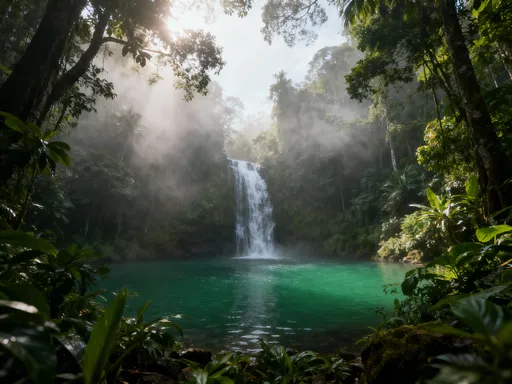
While Mudeungsan dominates the skyline, Gwangju’s quieter natural treasures lie in its lesser-known valleys and urban waterways. Hwajeong Valley, tucked into the northern foothills, is a peaceful retreat where a clear stream meanders through boulders and over small waterfalls. Unlike more developed parks, it retains a sense of wildness — birdsong replaces traffic noise, and dragonflies dart above the water’s surface. The path here is mostly unpaved, following the natural curve of the stream, with wooden footbridges connecting shaded sections beneath maple and alder trees. It’s a favorite spot for local families on weekends, who come to picnic on flat rocks or let children splash in shallow pools.
Another gem is the stream that flows past Baekyang Temple, one of the oldest Buddhist temples in the region. The waterway, fed by mountain springs, runs through a narrow gorge lined with moss-covered stones and ancient cedars. Even in summer, the temperature here feels several degrees cooler, a natural microclimate created by the dense canopy and flowing water. Visitors often pause at the stone lanterns along the path, placing small offerings or simply sitting in silence, drawn by the meditative quality of the place. These green corridors are more than scenic — they serve as ecological lifelines, supporting native plants, insects, and amphibians within the urban environment.
For those planning a visit, timing and preparation matter. Early mornings, especially in spring and autumn, offer the best conditions — cool temperatures, soft light, and fewer people. Comfortable walking shoes with good grip are essential, as many paths are uneven or slippery after rain. A light backpack with water, a small snack, and a reusable container for collecting litter (if desired) enhances the experience. Some access points, like the entrance near Hwajeong Elementary School, are unmarked but well-known to locals. Using a reliable map app with offline capability can help, but asking a nearby resident for directions often yields the most accurate guidance. These spaces thrive on low-key stewardship — they are preserved not by fences or fees, but by quiet respect.
How the Land Shapes Local Life
The influence of Gwangju’s terrain extends far beyond recreation — it is deeply embedded in the way people live, build, and eat. In hilly neighborhoods like Gwangdeok-dong and Pyeongdong, homes are constructed into the slopes, their foundations anchored into the earth. Many streets are too narrow for cars, accessible only by foot or bicycle, with long staircases connecting different levels of the community. This vertical layout fosters a strong sense of neighborhood; residents often know one another, sharing news over garden fences or at the base of a common staircase. Delivery services adapt to the terrain, with couriers using scooters or carrying packages by hand up steep inclines.
Agriculture, too, adapts to the land. On terraced slopes just outside the city center, small plots are cultivated with care — rows of perilla leaves, chili peppers, and scallions grow in neat patches, irrigated by rainwater channeled through bamboo pipes. These farms, often managed by older residents, supply local markets with fresh, seasonal produce. The elevation and forest cover create a slightly cooler, more stable climate than surrounding lowlands, reducing pest pressure and extending growing seasons for certain crops. As a result, Gwangju is known for its high-quality gochujang (fermented chili paste) and doenjang (soybean paste), both of which benefit from the region’s temperate fermentation conditions.
This connection between land and food is evident in the city’s cuisine. Dishes like bossam (boiled pork wraps) and janchi guksu (feast noodles) are often served with locally grown kimchi, whose tangy depth comes from slow fermentation in cool, shaded storage rooms. Mountain herbs like deodeok (a type of bellflower root) and gondre (fernbrake) appear in seasonal soups and side dishes, foraged from forest edges and stream banks. Even the city’s famous street food — grilled skewers, hotteok (sweet pancakes), and tteokbokki — reflects a culture shaped by movement and elevation, with vendors setting up at transit hubs and market entrances where foot traffic is heaviest. To eat in Gwangju is to taste the land itself — layered, resilient, and deeply rooted.
Getting Around: Navigating Elevation Changes
One of the first things visitors notice in Gwangju is how elevation affects mobility. Unlike cities built on flat plains, Gwangju’s topography means that even short distances can involve significant climbs. Public transportation, while reliable, has limitations in hilly areas. City buses follow major roads, but many residential lanes are too steep or narrow for large vehicles. As a result, some neighborhoods are best accessed on foot, particularly those nestled into the mountainside. GPS maps often fail to convey the true difficulty of a route — a path that looks like a five-minute walk may involve hundreds of steps or a steep incline that slows even the fittest traveler.
For those comfortable with physical activity, walking becomes the most rewarding way to explore. The city has invested in a network of pedestrian trails, including the Gwangju Olle, a series of waymarked routes that connect cultural sites with natural areas. These paths are well-maintained, with rest benches, informational signs, and occasional water stations. Cyclists can also find opportunities, particularly on downhill routes from the Mudeungsan foothills toward the city center. However, uphill cycling demands stamina, and e-bikes are increasingly popular among locals for this reason. Bike rentals are available at several stations near parks and transit hubs, offering a flexible way to cover longer distances while still engaging with the landscape.
Travelers with mobility concerns should plan carefully. While many public buildings and subway stations are equipped with elevators and ramps, some historic sites and older neighborhoods remain challenging to navigate. Fortunately, Gwangju has made strides in accessibility. Parks like World Cup Park and Mudeungsan’s lower slopes feature paved, level pathways suitable for wheelchairs and strollers. The city’s tourism office provides detailed accessibility guides, including maps that highlight barrier-free routes and rest areas. Taxis are widely available and affordable, making it easy to combine walking with short rides when needed. The key is flexibility — embracing the terrain not as an obstacle, but as an invitation to move mindfully through the city.
Best Times to Experience the Terrain
Timing can make all the difference in how one experiences Gwangju’s landscape. Spring, from March to May, is widely considered the ideal season. The air is mild, the light is soft, and the hillsides come alive with blooming forsythia, cherry blossoms, and azaleas. Morning fog often lingers in the valleys, creating a dreamlike atmosphere as sunlight slowly burns through the mist. This is also the best time for photography — the contrast between green slopes, pastel flowers, and traditional tiled roofs makes for stunning images. Hiking trails are comfortable underfoot, and the risk of sudden rain is relatively low.
Autumn, from September to November, offers a different kind of beauty. The leaves turn early in the higher elevations, painting Mudeungsan and its surrounding hills in rich hues of red, orange, and gold. Crisp air enhances visibility, making distant views remarkably clear. It’s also harvest season, so local markets overflow with pumpkins, sweet potatoes, and freshly dried peppers. Many visitors come specifically for the Gwangju Fall Cultural Festival, which includes outdoor performances set against scenic backdrops. The combination of cultural vibrancy and natural splendor makes autumn a deeply rewarding time to explore.
Summer, while lush, can be challenging due to high humidity, particularly in low-lying areas. Temperatures in the city center often exceed 30°C (86°F), with little breeze to provide relief. However, the higher elevations offer a natural escape. A short trip to Mudeungsan’s upper trails or shaded valleys can drop the temperature by as much as 5–7°C (9–13°F). Early morning hikes are especially refreshing, with cool air and the sound of cicadas just beginning to stir. Winter, though cold, is manageable — snowfall is light and infrequent, and the city clears roads efficiently. For those who enjoy solitude, a quiet winter walk through a frost-dusted forest can be profoundly peaceful.
Why This Landscape Deserves More Attention
Gwangju’s terrain offers something increasingly rare: a seamless blend of wild nature and urban accessibility. Unlike remote mountain regions or heavily commercialized resorts, this landscape is integrated into daily life. You don’t need a car or a multi-day trek to experience it. A twenty-minute walk from a subway station can lead you to a forested trail, a hidden stream, or a quiet temple nestled in the hills. This proximity allows for spontaneous encounters with nature — a sudden deer crossing your path, the call of a kingfisher above a stream, the scent of pine after rain. These moments, small but meaningful, contribute to a sense of well-being that residents often describe as a quiet kind of happiness.
Engaging with the land also deepens cultural understanding. For centuries, Koreans have revered mountains as sacred spaces, places of meditation, retreat, and spiritual renewal. Mudeungsan, in particular, has long been associated with Buddhist practice and folk beliefs. Temples like Jeungsimsa and Baekyangsa have stood for generations, their locations chosen for harmony with the natural world. By walking these trails, visitors participate in a quiet tradition — not as tourists, but as temporary stewards of a shared landscape. This connection fosters respect, not just for the environment, but for the people who live in relationship with it.
Moreover, Gwangju’s terrain reflects resilience. The city has faced hardship and change, yet its landscape remains a constant — steady, enduring, and grounding. In a world that often feels fast and fragmented, this rootedness is a gift. It reminds us that beauty exists not only in grand vistas but in the everyday details: the way a stone path curves around a tree, the sound of water over rocks, the warmth of sun on a granite boulder. These are the quiet truths of place, accessible to anyone willing to look down, step off the pavement, and begin walking.
Gwangju’s true character isn’t just in its past or politics — it’s etched into the land itself. From the quiet strength of Mudeungsan to the gentle flow of hidden streams, the city’s special terrain invites slow, thoughtful exploration. It rewards those who step off paved plazas and climb just one hill. In a country full of famous peaks and scenic coasts, this corner of Korea quietly holds its own — rugged, rooted, and real. The next time you visit, let the land guide you.