You Won’t Believe What I Found Deep in the Brazilian Amazon
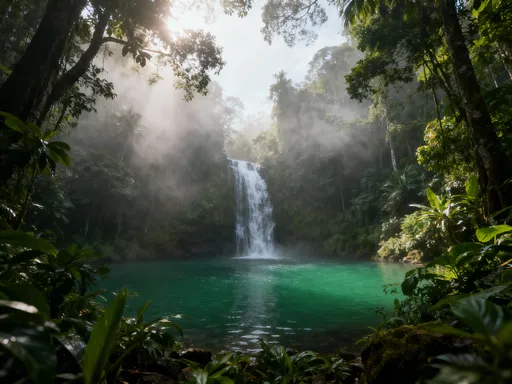
Going deep into the Brazilian Amazon changed how I see the world. It’s not just about dense jungle or wild animals—what blew my mind were the local specialty products crafted by indigenous communities. From rare oils to natural dyes, every item tells a story of tradition and survival. This is real, untouched culture. If you're looking for authentic exploration, this journey offers something no city or resort ever could. The forest pulses with life in ways that defy description—the morning mist rising off blackwater rivers, the distant call of howler monkeys, the scent of wet earth and blooming orchids. But beyond the scenery lies something deeper: a living heritage preserved through generations, quietly resisting the tide of modernization. What I discovered wasn’t just beauty, but resilience, wisdom, and a way of being that honors balance, sustainability, and community.
Why the Amazon Stands Out for True Exploration
The Brazilian Amazon covers over 60 percent of the world’s largest tropical rainforest, stretching across more than four million square kilometers. This vast region remains one of the planet’s last true frontiers—not because it’s uncharted, but because its rhythms resist speed, convenience, and mass tourism. Unlike packaged beach vacations or crowded historical sites, deep Amazon travel demands patience, respect, and a willingness to slow down. There are no fast lanes here. Journeys unfold by river, on foot, or through quiet observation. What makes this place extraordinary is not just its biodiversity—home to an estimated 10 percent of Earth’s known species—but the fact that millions of people live within and alongside this ecosystem, maintaining traditions that predate colonialism.
Sustainable tourism has become a vital bridge between preservation and access. When managed responsibly, it offers travelers rare opportunities to witness authentic life in the rainforest while providing economic alternatives to deforestation and extractive industries. Many indigenous and riverside communities now welcome visitors through carefully structured programs that protect cultural integrity and environmental health. These initiatives are not about performance or spectacle. They are rooted in mutual respect—visitors learn, listen, and participate in daily routines, from fishing techniques to medicinal plant identification. This shift from passive sightseeing to immersive engagement transforms travel into a form of cultural exchange, where understanding grows alongside appreciation.
Exploring the Amazon in this way redefines what it means to be a traveler. It’s no longer about checking landmarks off a list, but about opening oneself to a different worldview. The forest teaches patience, interdependence, and humility. It reminds us that humans are part of a larger web, not separate from it. For women in their 30s to 50s—many of whom balance caregiving, careers, and personal growth—this kind of journey can be profoundly restorative. It offers space to reflect, reconnect with nature, and return home with renewed perspective. The Amazon doesn’t offer quick thrills; it offers depth, meaning, and the quiet power of presence.
The Heart of the Jungle: Reaching Authentic Communities
Reaching the heart of the Brazilian Amazon requires more than a plane ticket—it requires surrender to a different pace. Most journeys begin in gateway cities like Manaus or Santarém, where travelers transfer to riverboats that navigate the winding tributaries of the Amazon River. These boats, ranging from modest community ferries to small eco-lodges on water, move with the current, stopping at remote villages where life unfolds in harmony with the river’s seasonal rise and fall. There are no roads in many of these areas. The river is the highway, the marketplace, and the life source.
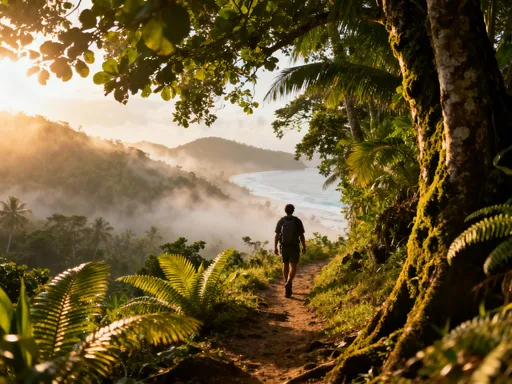
From the river, access to deeper communities often involves guided treks through flooded forests, known as igapós, or hikes across terra firme—upland rainforest that remains dry year-round. These paths are not marked for tourists. They are ancient trails used by locals for hunting, gathering, and travel between settlements. Walking them with a certified guide transforms the experience from adventure into education. Knowledgeable guides—often members of the communities themselves—point out edible plants, medicinal trees, and animal tracks, turning every step into a lesson in survival and sustainability.
Staying in community-based lodges offers one of the most authentic ways to connect with Amazonian life. These accommodations are typically built from local materials—thatched roofs, wooden frames, open-air designs that allow breezes to flow freely. There is no air conditioning, no Wi-Fi, and limited electricity. Yet, these limitations become part of the richness. Evenings are spent under star-filled skies, listening to stories told in Portuguese or indigenous languages, accompanied by the symphony of frogs, insects, and distant birds. The rhythm of life here is tied to sunrise and sunset, to the tides of the river, and to the cycles of planting and harvesting.
What stands out most is the quiet dignity of daily life. Women weave baskets, prepare meals over open fires, and care for children with a calm efficiency shaped by generations of forest living. Men fish, maintain canoes, and tend small garden plots known as roças, where cassava, bananas, and tropical vegetables grow. There is no rush, no noise, no pressure to produce or perform. This simplicity is not poverty—it is a different kind of wealth. Travelers who come with humility leave with a deeper understanding of what it means to live well, not just live comfortably.
Nature’s Pharmacy: Rare Plant-Based Products You’ve Never Heard Of
One of the most astonishing discoveries in the Amazon is its natural pharmacy. Long before modern medicine, indigenous communities developed sophisticated knowledge of plant-based healing. Today, this wisdom is preserved in the use of non-timber forest products—sustainable harvests that do not require cutting down trees. Among the most valued are copaiba oil, andiroba, and assai pulp, each with unique properties that have sustained health and wellness for centuries.
Copaiba oil, extracted from the resin of the copaiba tree, is renowned for its anti-inflammatory and antimicrobial qualities. Locals apply it to soothe muscle pain, reduce swelling, and treat skin irritations. Scientific studies have confirmed its high concentration of beta-caryophyllene, a compound that interacts with the body’s endocannabinoid system, offering natural relief without psychoactive effects. During a visit to a small processing center near the Juruá River, I watched as community members carefully collected resin, filtering it through cloth to produce a golden, aromatic oil. The process is low-tech but precise, passed down through generations.
Andiroba oil, derived from the seeds of the andiroba tree, is another staple. Used for everything from insect repellent to wound healing, it has a thick, nutty scent and deep moisturizing properties. Mothers rub it on babies’ skin to prevent rashes, while fishermen apply it to protect against bites and infections. Research has shown that andiroba contains compounds with analgesic and anti-parasitic effects, validating its traditional use. What’s remarkable is how these oils are not mass-produced. Each batch is made in small quantities, ensuring freshness and quality while maintaining ecological balance.
Then there is assai, a dark purple berry harvested from tall palm trees. Unlike the sweetened, frozen versions found in smoothie bowls abroad, fresh assai in the Amazon is tart, earthy, and consumed daily as a dietary staple. Rich in antioxidants, fiber, and heart-healthy fats, it provides sustained energy in a humid, physically demanding environment. Families pound the berries and serve them with cassava flour or fish, creating a nourishing meal that fuels the body and connects people to the forest’s bounty. These products are not marketed as “superfoods” here—they are simply part of life, a testament to the forest’s generosity when treated with care.
Handmade Treasures: From Weaving to Natural Dyes
Beyond medicinal plants, the Amazon’s cultural wealth is vividly expressed through craftsmanship. Indigenous artisans create intricate baskets, beadwork, and pottery using materials gathered directly from the forest. These items are not made for tourists—they are functional, symbolic, and deeply embedded in daily life and ritual. Each piece carries meaning, from the geometric patterns of woven designs to the spiritual significance of certain colors and shapes.
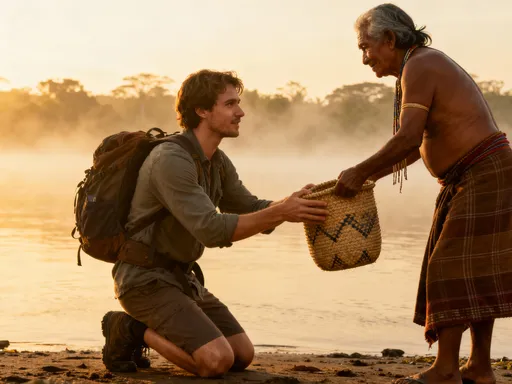
Basket weaving, particularly among the Ticuna and Yawanawá peoples, is a highly skilled art form. Artisans use fibers from the tucumã palm or buriti leaves, twisting and coiling them into durable, beautifully patterned containers. These baskets store food, carry goods, and are used in ceremonies. The process is time-consuming—some baskets take weeks to complete—but the result is both practical and artistic. Patterns often represent elements of nature: rivers, animals, or celestial bodies—each a visual language passed from mother to daughter.
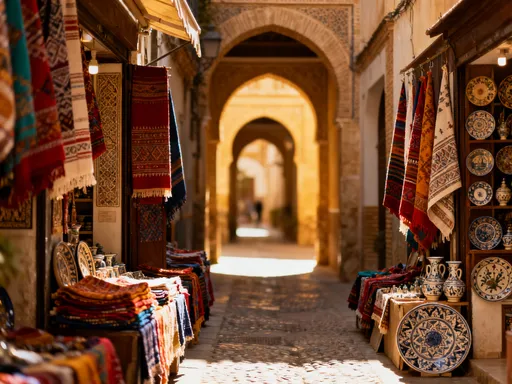
Equally striking is the use of natural dyes. Instead of synthetic pigments, artisans extract color from seeds, bark, roots, and clay. The urucum seed produces a vibrant red, used in body paint and textiles. Pau mulato bark yields a rich brown, while andiroba leaves create soft greens. These dyes are not only sustainable but also non-toxic, safe for use on skin and in children’s crafts. The knowledge of which plants yield which colors, how to fix the dye, and how to store it is part of an oral tradition that spans centuries. In a world dominated by mass production, these handmade items are a powerful reminder of human creativity and connection to place.
When travelers purchase these crafts directly from artisans, they support more than an economy—they help preserve a culture. Each sale validates the time, skill, and knowledge behind the work. Unlike factory-made souvenirs, these pieces cannot be replicated. They are unique, imbued with the spirit of the maker and the forest. For women who appreciate handmade quality—whether in quilting, knitting, or home décor—these crafts resonate on a deep level. They speak of patience, care, and the beauty of things made by hand.
The Taste of the Forest: Unique Foods That Define Amazonian Life
Food in the Amazon is inseparable from the ecosystem. Every meal reflects the forest’s abundance, from fish pulled from blackwater rivers to fruits that grow wild in the canopy. One of the most distinctive ingredients is tucupi, a yellowish sauce made from fermented wild manioc root. Bitter and pungent when raw, it is carefully detoxified through prolonged boiling before being used in dishes like pato no tucupi—a traditional duck stew served during festivals. The process takes hours, even days, but the result is a tangy, complex flavor unlike anything found elsewhere.
Pirarucu, one of the largest freshwater fish in the world, is another cornerstone of Amazonian cuisine. Weighing up to 200 kilograms, this gentle giant is sustainably managed through community fishing quotas that prevent overharvesting. Its firm, white flesh is often salted and dried, then rehydrated and flaked into dishes. I joined a family in preparing farofa de pirarucu, a savory mix of toasted cassava flour and shredded fish, cooked with onions, garlic, and dendê oil. The kitchen was open-air, the stove a simple brick structure with a metal grate. As we stirred the mixture, the grandmother shared stories of fishing trips with her husband, her hands moving with practiced ease.
Cassava, or manioc, is the foundation of the regional diet. Grown in small garden plots, it is processed into flour, bread, and even beverages. The transformation from root to flour is labor-intensive: peeling, grating, pressing, and toasting. Yet, it is a communal activity, often done by groups of women who sing and talk as they work. The final product—farinha—is used in nearly every meal, providing essential carbohydrates in a landscape where grains like wheat or rice are not easily grown.
Sharing a meal in an Amazonian home is more than nourishment—it is an act of trust and hospitality. There are no menus, no reservations, no prices. Food is offered freely, often with a smile and a quiet gesture. For travelers, especially women who value connection and nurturing, this generosity is deeply moving. It reminds us that the simplest acts—cooking, eating, sharing—can be the most meaningful. These culinary traditions are not static; they evolve with available resources, yet they remain rooted in respect for the forest and gratitude for its gifts.
Challenges and Choices: Balancing Tourism and Tradition
As interest in the Amazon grows, so do the risks. Increased tourism can bring economic benefits, but it can also lead to over-commercialization, cultural erosion, and environmental strain. One of the most visible problems is the rise of imitation crafts—mass-produced items sold as “indigenous art” in cities or online. These knockoffs undermine authentic artisans, offering lower prices but no cultural or economic value to the communities who created the original designs.
Another concern is the pressure on natural resources. If too many visitors arrive without proper infrastructure, waste, noise, and demand for firewood or fish can disrupt local ecosystems. Even well-meaning travelers may unknowingly contribute to harm by straying off trails, feeding wildlife, or taking photos without permission. The key to responsible tourism lies in intention and awareness. Travelers must ask: Who benefits from my visit? Is my presence respectful? Am I following local guidelines?
The good news is that many communities have developed successful models for ethical engagement. Cooperatives like the Associação das Mulheres do Rio Negro or the Cooperativa dos Produtores da Reserva Extrativista do Alto Juruá empower women and families to manage tourism, crafts, and sustainable harvesting. These groups set fair prices, ensure direct income to artisans, and reinvest profits into education, health, and conservation. They often partner with eco-tourism operators who adhere to strict environmental and cultural standards.
Travelers can support these efforts by choosing certified programs, asking questions about sourcing, and avoiding bargain-priced souvenirs. A higher price for a handwoven basket isn’t exploitation—it’s recognition of skill and time. Similarly, paying for a guided tour that includes meals with a family isn’t a transaction; it’s a contribution to their livelihood. When tourism is done right, it becomes a tool for preservation, not extraction. It allows communities to thrive on their own terms, without sacrificing their values or environment.
Bringing the Amazon Home: How to Support Ethically After Your Trip
The journey doesn’t end when you leave the Amazon. One of the most meaningful ways to continue supporting these communities is by purchasing authentic products after returning home. Thanks to digital platforms and fair-trade networks, it’s now possible to buy certified crafts, oils, and foods directly from cooperatives. Websites like Amazónia Real, Instituto Socioambiental’s marketplace, or Fair Trade Federation partners offer transparent sourcing, ensuring that every purchase benefits the makers.
Look for products labeled with origin information, artisan names, or cooperative certifications. For example, copaiba oil from the Yawanawá people or handwoven tikuna baskets from the Solimões River region carry not just utility but legacy. By choosing these items over generic alternatives, consumers help sustain traditional knowledge and provide stable income for families who might otherwise face economic pressure to leave their lands.
Support also means spreading awareness. Sharing stories, photos, and recipes from the Amazon—always with permission and respect—can inspire others to travel responsibly. Hosting a dinner featuring assai, tucupi, or pirarucu, for instance, becomes more than a meal; it becomes an educational moment, a way to honor the culture and spark conversation. Social media, blogs, or community talks can amplify voices that are often unheard in global markets.
Finally, advocacy matters. Supporting organizations that defend indigenous rights, combat deforestation, and promote sustainable development creates long-term impact. Donations, petitions, or even letter-writing campaigns can influence policy and protect the Amazon’s future. For women who care about family, health, and the planet, this kind of engagement aligns with deep values of care and responsibility. The Amazon is not a distant wilderness—it is a living, breathing part of our shared world, deserving of protection and respect.
Exploring the Brazilian Amazon isn’t just about seeing a new place—it’s about connecting with ancient wisdom and natural abundance that most of the world has forgotten. The real treasures aren’t just the specialty products themselves, but the stories, skills, and spirit behind them. When we travel with care, we don’t just take memories—we help preserve a way of life.