You Gotta See How Montreal Comes Alive Through Its Street Art and Festivals
Montreal isn’t just a city—it’s a living canvas of culture, rhythm, and flavor. I’ve wandered its cobblestone streets in summer sunshine and danced through winter’s icy charm, and every season tells a new story. From open-air jazz to hidden mural alleys, the soul of this city beats loud. If you’re chasing real, raw cultural moments, Montreal delivers—no filter needed. This is more than a trip; it’s a vibe you’ll feel from the first metro ride.
The Pulse of Montreal: Where Culture Lives in Every Neighborhood
Montreal’s identity is not confined to postcard landmarks or tourist brochures. It lives in the rhythm of daily life, in the way languages blend on street corners, and in the distinct character of each neighborhood. The Plateau, with its colorful row houses and tree-lined streets, hums with a bohemian energy. Residents sip coffee on wrought-iron balconies, cyclists glide down quiet avenues, and bilingual street signs reflect the city’s French roots and cosmopolitan openness. This district, once a working-class enclave, now pulses with artists, young families, and small boutiques that celebrate local craftsmanship.
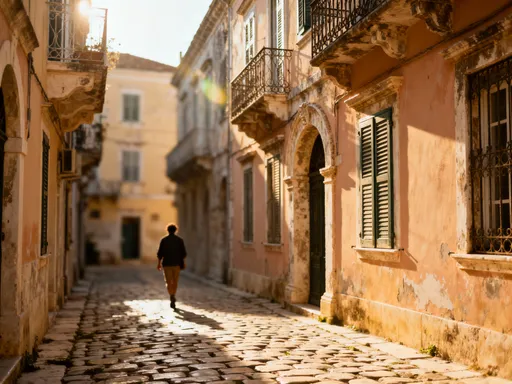
Just a short walk away, the Old Port offers a different tempo—slower, more reflective. Stone buildings from the 17th and 18th centuries stand alongside modern promenades where families bike, couples stroll, and street performers entertain with guitar melodies and circus tricks. The scent of fresh crepes mingles with the breeze off the St. Lawrence River. Here, history isn’t behind glass; it’s underfoot, in the uneven cobblestones that once carried horse-drawn carts. This tactile connection to the past is part of what makes Montreal so immersive.
Mile End, meanwhile, is where tradition and innovation collide. Known for its iconic bagel shops, this neighborhood also hosts indie bookstores, vintage clothing stores, and a thriving music scene. On a Sunday morning, the line outside St-Viateur Bagel is as much a cultural ritual as it is a breakfast stop. The mix of Ashkenazi Jewish heritage, French-Canadian roots, and newer immigrant communities creates a mosaic that feels both rooted and evolving. To visit Montreal without exploring its neighborhoods is to miss its heartbeat. These districts aren’t just places to see—they’re places to experience, to linger in, and to understand as living, breathing parts of the city’s soul.
What sets Montreal apart is how accessible this cultural richness is. You don’t need a guided tour or a special event to feel it. Simply walking through these areas, observing how people interact, what they eat, how they dress, offers insight into a city that values both heritage and individuality. The blend of French language, North American pace, and global influences creates a unique urban rhythm. For travelers, especially those who value authenticity over spectacle, this neighborhood-level immersion is far more rewarding than ticking off landmarks. It’s in these everyday moments—overhearing a conversation in French and English, watching a street artist sketch a passerby, sharing a park bench with locals during lunch—that the true spirit of Montreal reveals itself.
Festival City: Why Montreal’s Calendar Never Sleeps
If there’s one thing that defines Montreal’s cultural calendar, it’s the sheer abundance of festivals that animate the city year-round. From June to December, and even deep into winter, public spaces transform into stages, galleries, and communal gathering spots. The Montreal International Jazz Festival, held every summer, is one of the largest of its kind in the world. Over ten days, more than 500 artists perform across 10 indoor venues and 15 outdoor stages. The festival draws over two million visitors annually, yet it maintains an intimate, inclusive feel. You might catch a world-renowned pianist in a grand concert hall, then stumble upon a brass band playing on a sidewalk in the Quartier des Spectacles.
What makes these festivals special isn’t just their scale, but their accessibility. Many performances are free, allowing residents and visitors alike to participate without financial barriers. This open-door policy fosters a sense of shared ownership—locals don’t just attend; they belong. The Just for Laughs Festival, the largest comedy event in the world, turns the city into a playground of laughter. Outdoor stages host stand-up acts, improv troupes, and surprise pop-up performances. Even people who don’t speak fluent French can enjoy physical comedy, visual gags, and the universal language of humor. The energy is contagious, spilling into restaurants, parks, and metro stations.
Winter doesn’t slow things down—it transforms them. The Montréal en Lumière festival, held in February, celebrates gastronomy, performing arts, and outdoor installations lit by thousands of twinkling lights. Heated domes offer cozy spaces for dining and shows, while light sculptures turn parks into dreamlike landscapes. Igloofest, another winter favorite, takes place outdoors at the Old Port, where DJs spin electronic music under the stars, and attendees dance in sub-zero temperatures, bundled in hats and mittens. These events prove that cold weather isn’t a barrier to celebration—it’s part of the experience.
For travelers, timing a visit around these festivals can elevate a trip from pleasant to unforgettable. Summer, particularly late June to early July, is ideal for the jazz and comedy festivals. Late winter offers a chance to see Montreal’s resilience and creativity in the face of cold. To make the most of these events, planning ahead helps. While many shows are free, popular indoor performances require tickets, which can sell out weeks in advance. Official festival apps provide schedules, maps, and real-time updates. To avoid crowds, consider attending mid-week or arriving early to secure a good spot. Most importantly, embrace the spontaneity. Some of the best moments happen unexpectedly—a street performer catching your eye, a local inviting you to join a dance circle, a free concert starting just as you pass by.
Street Art as Storytelling: Hunting Murals from Underbelly to MURAL Festival
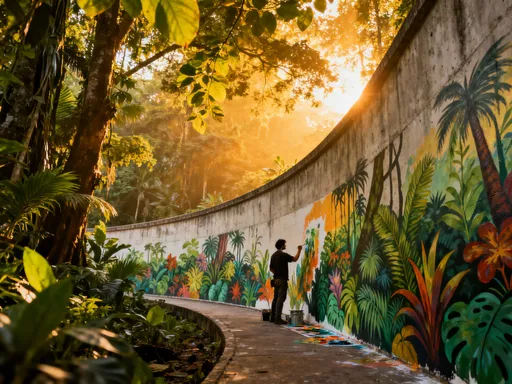
Montreal’s streets are an open-air gallery, where walls speak through color, shape, and symbolism. Street art here isn’t vandalism—it’s a celebrated form of public expression. The city has embraced legal graffiti zones and actively supports artists through initiatives like the MURAL Festival, held annually along Saint-Laurent Boulevard. Over ten days, local and international artists transform blank walls into massive, thought-provoking murals. What was once an underground movement is now a cornerstone of Montreal’s cultural identity.
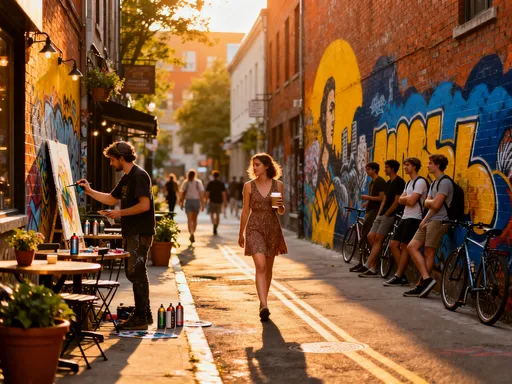
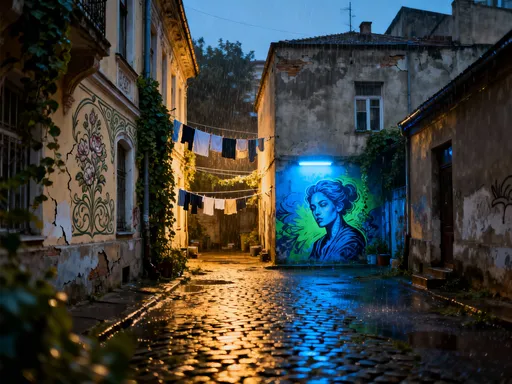
Saint-Laurent, often called “The Main,” serves as the spine of this artistic corridor. One block might feature a surreal portrait of a woman with flowers blooming from her hair; another displays a political statement in bold typography. These works aren’t just decorative—they reflect social issues, celebrate diversity, and honor local figures. A mural might pay tribute to a Quebecois poet, while another highlights environmental activism or Indigenous rights. The art evolves constantly, so even repeat visitors discover something new.
Beyond the festival, hidden gems await in unexpected places. Crescent Street’s alleyways, often overlooked by tourists, host smaller-scale pieces that feel more personal, more raw. The Underbelly Project, though not officially sanctioned, gained international attention for its clandestine collaborations between artists in abandoned urban spaces. While access to such sites is restricted, their legacy lives on in photos and stories, reminding us of street art’s rebellious roots.
For those eager to explore, self-guided walking tours are a rewarding way to engage with the city’s visual culture. Start at the corner of Saint-Laurent and Sherbrooke, where the MURAL Festival’s largest pieces are concentrated. Follow the trail north, noting how the art shifts in tone and style. Bring a camera, but also take time to read the plaques—many murals include QR codes that link to artist interviews and behind-the-scenes footage. Respect is key: avoid touching the walls, don’t block sidewalks, and remember that these spaces are part of living neighborhoods, not just photo backdrops. For families, the hunt for murals can become a game—spotting animals, finding hidden messages, or guessing the meaning behind abstract designs.
The beauty of Montreal’s street art lies in its accessibility and diversity. Unlike museum exhibits, these works are free to view, available 24/7, and integrated into daily life. They invite conversation, provoke thought, and beautify spaces that might otherwise go unnoticed. In a city that values both tradition and innovation, street art serves as a dynamic bridge between the two—a living record of what matters to Montrealers today.
Beyond Poutine: Tasting Culture Through Food Markets and Bakeries
To understand Montreal is to taste it. The city’s culinary scene is a delicious reflection of its multicultural fabric, where French technique meets immigrant innovation. While poutine—a dish of fries, cheese curds, and gravy—often steals the spotlight, the real magic happens in markets, bakeries, and family-run cafes. Jean-Talon Market, one of the largest open-air markets in North America, is a sensory feast. Stalls overflow with ripe berries in summer, crisp apples in fall, and fresh herbs year-round. Butchers display house-cured meats, bakers sell flaky pastries, and flower vendors brighten the aisles with seasonal blooms.
This isn’t just a place to shop—it’s a place to connect. Vendors greet regulars by name, offer samples with a smile, and share recipes with curious visitors. A woman selling handmade pierogies might explain how her grandmother brought the recipe from Ukraine. A cheesemonger might recommend a soft goat cheese paired with local honey. These interactions turn a simple purchase into a cultural exchange. For travelers, especially those who enjoy cooking, picking up fresh ingredients here and preparing a meal in a rental kitchen can be a deeply satisfying way to experience the city.
Just across the Lachine Canal, Marché Atwater offers a slightly different vibe—smaller, more polished, but equally authentic. Its iconic clock tower stands as a landmark, while the market inside buzzes with activity. This is a great spot to try Montreal-style bagels, which differ from their New York counterparts in being smaller, sweeter, and wood-fired. St-Viateur Bagel and Fairmount Bagel, both nearby, have been in operation for decades. Lines form early, but the reward is worth it: a warm, chewy bagel topped with sesame seeds, best enjoyed with cream cheese and a strong coffee.
Food in Montreal is also a story of fusion. In neighborhoods like Parc-Extension and Rosemont, you’ll find South Asian grocers selling spices, Middle Eastern bakeries with flaky manakish, and Vietnamese pho restaurants open late. This diversity isn’t segregated—it’s woven into the city’s fabric. A French bistro might serve duck confit alongside a Haitian-inspired rum cocktail. A café in the Plateau might offer almond croissants and halal hot chocolate. For travelers, this means endless opportunities to explore new flavors without ever feeling out of place.
To eat like a local, go early, come hungry, and be open to recommendations. Visit markets in the morning when produce is freshest. Try a “smoked meat” sandwich at Schwartz’s Deli, a Montreal institution since 1928. Share a plate of tourtière, a savory meat pie with French-Canadian roots. And don’t skip the sugar shack season in spring, when maple syrup is harvested and served in wooden cabins with live folk music. These experiences aren’t just about food—they’re about community, tradition, and the joy of sharing a meal.
Living History: Old Montreal’s Charm Without the Clichés
Old Montreal often appears in travel guides as a picturesque postcard—stone buildings, horse-drawn carriages, boutique hotels. But to reduce it to a tourist attraction is to miss its depth. This neighborhood is not a museum frozen in time; it’s a living, evolving space where history and modernity coexist. The cobblestone streets, while charming, were once trade routes for fur merchants and sailors. The Notre-Dame Basilica, with its deep blue ceiling and golden stars, remains an active place of worship and a masterpiece of Gothic Revival architecture.
Yet beyond the well-trodden paths, quieter moments await. Place Royale, considered the birthplace of Montreal, is a small square where Samuel de Champlain established a fur trading post in 1611. Today, it’s a peaceful spot with a fountain and views of the river. Fewer tourists linger here, making it ideal for reflection. The Pointe-à-Callière museum, built atop archaeological ruins, tells the story of the city’s origins through immersive exhibits. You can walk over glass panels and see the remains of old foundations, sewer systems, and even a section of the original city wall.
What makes Old Montreal special is how it balances preservation with progress. While some buildings have been converted into luxury condos and high-end restaurants, others house community centers, artist studios, and small galleries. The Bonsecours Market, once a city hall and grain exchange, now hosts craft fairs and local designers. Even the churches, many of which are centuries old, serve multiple purposes—some host concerts, art installations, or meditation sessions.
For travelers seeking a deeper connection, the best approach is to slow down. Skip the carriage ride and walk instead. Stop at a café with outdoor seating and order a café au lait. Watch the light change on the stone facades as the sun sets. Visit in the early morning or late afternoon to avoid crowds and see the neighborhood breathe. Talk to shopkeepers, read historical plaques, and let the layers of time reveal themselves. Old Montreal isn’t about perfection—it’s about continuity. It’s a place where the past isn’t buried; it’s built upon, respected, and reimagined.
Winter Magic: How Montreal Turns Cold into Culture
Many assume Montreal shuts down in winter, but the truth is quite the opposite. When snow blankets the city, its cultural life doesn’t pause—it adapts, innovates, and often intensifies. The cold becomes a canvas for creativity. The Montréal en Lumière festival, for example, turns darkness into beauty with glowing installations, ice sculptures, and outdoor dining domes heated to keep guests comfortable. Restaurants extend their patios with igloo-like structures, allowing diners to enjoy foie gras and red wine while watching snow fall.
The Ice Stupa project, inspired by Tibetan mountain conservation, brings towering ice cones to parks, where they slowly melt and irrigate green spaces in spring. These structures, lit from within, become nighttime landmarks. Families gather to skate on outdoor rinks, children build snow forts, and adults sip mulled wine at pop-up bars. The city clears sidewalks promptly and maintains heated pedestrian walkways in key areas, making it easy to get around even in freezing temperatures.
Igloofest, held every weekend from January to March, transforms the Old Port into a dance party under the stars. DJs play electronic music, lasers cut through the night, and attendees—dressed in beanies, puffer jackets, and snow boots—dance on heated platforms. It’s a uniquely Montreal experience: embracing the cold rather than fleeing it. For visitors, packing the right gear is essential—thermal layers, waterproof boots, and a warm hat make all the difference. But perhaps more important is the mindset. Instead of seeing winter as a barrier, locals treat it as an invitation—to slow down, to gather, to celebrate resilience.
Indoor culture thrives too. Museums, theaters, and concert halls offer rich programming. The Montreal Museum of Fine Arts hosts special exhibitions, while smaller venues showcase jazz, theater, and dance. Public libraries become cozy refuges, and community centers offer workshops from pottery to French conversation classes. For families, indoor play spaces and indoor swimming pools provide relief from the cold. The city’s metro system, entirely underground in the central areas, ensures easy, weather-protected travel.
Winter in Montreal isn’t endured—it’s enjoyed. It’s a season of warmth in the midst of cold, of connection in the face of isolation. For travelers willing to pack appropriately and embrace the elements, it offers a side of the city that many never see: intimate, creative, and deeply human.
Getting Around Like a Local: Metro, Biking, and Hidden Walks
Navigating Montreal isn’t just about getting from point A to point B—it’s part of the cultural experience. The city’s metro system, operated by the STM, is clean, efficient, and surprisingly artistic. Stations like Champ-de-Mars, with its blue vaulted ceiling inspired by the night sky, and Square-Victoria-OACI, which features vintage London Underground signage as a nod to Montreal’s twin-city relationship with London, turn commuting into a mini-tour. Many stops include public art installations, historical displays, and architectural details that reflect the character of the neighborhood above.
For travelers, using the metro is the easiest way to avoid traffic, parking hassles, and winter weather. A weekly pass offers unlimited rides and is cost-effective for those planning to explore multiple areas. The system is well-marked in both French and English, and real-time updates are available through the STM app. To travel like a local, avoid rush hour if possible, stand to the right on escalators, and keep your transit card handy. Don’t hesitate to ask for help—Montrealers are generally patient with tourists, especially those making an effort to speak French.
Biking is another excellent option, particularly in spring, summer, and early fall. The BIXI bike-share program has hundreds of stations across the city, making it easy to rent a bike for a few hours or a full day. Dedicated bike lanes and low-traffic routes, like the path along the Lachine Canal, offer scenic, safe rides. You can bike from downtown to Atwater Market, follow the river to the Old Port, or loop through Mount Royal Park. Helmets are not mandatory for adults but are recommended, especially for children.
For those who prefer to explore on foot, Montreal is a walker’s city. Neighborhoods are compact, sidewalks are wide, and crosswalks are frequent. Some of the best discoveries happen off the main streets—through quiet alleys, past community gardens, or along hidden staircases that connect different levels of the city. The city’s topography, with its hills and valleys, adds variety to walks. A route from the Plateau down to the river offers changing views and microclimates.
Safety is generally high, but as in any urban area, it’s wise to stay aware, especially at night. Stick to well-lit, populated streets and keep belongings secure. Language differences are minimal in tourist areas, but learning a few French phrases—“Bonjour,” “Merci,” “Parlez-vous anglais?”—goes a long way in building goodwill. Ultimately, getting around Montreal isn’t just practical—it’s a way to engage with the city’s rhythm, to see how locals live, and to uncover the small, authentic moments that define a place.
Conclusion
Montreal’s true magic lies not in grand monuments but in its everyday cultural pulse—felt in a jazz note drifting from a park, a mural whispering stories, or a stranger’s “Bonjour” in a bustling market. This city invites you to slow down, engage, and absorb its rhythm. Whether you come for the festivals or stay for the bagels, you leave with more than memories—you carry a piece of its soul. It’s a place where history and modernity dance together, where art lives on walls and in kitchens, and where every season offers a reason to celebrate. Montreal doesn’t just welcome visitors; it shares itself. And once you’ve walked its streets, tasted its flavors, and felt its energy, you’ll understand why so many return, again and again, not as tourists—but as friends.