You Won’t Believe How Denver’s Wild Landscapes Make the Food Taste Better
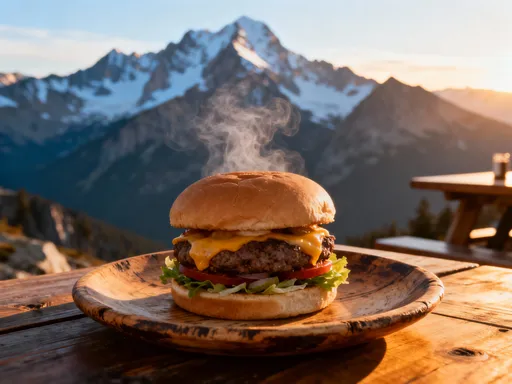
Ever tasted a burger at 8,000 feet with mountain peaks as your backdrop? In Denver, the food isn’t just amazing—it’s elevated, literally and figuratively. The city’s proximity to dramatic natural scenery transforms every meal into an experience. I’m talking fresh, locally sourced ingredients, outdoor dining with jaw-dropping views, and a food culture that mirrors the boldness of the Rockies. This is where nature fuels flavor. From alpine air that intensifies taste to fertile plains that yield nutrient-rich produce, Denver offers a culinary journey shaped by elevation, terrain, and season. Here, dining is more than eating—it’s immersion in a landscape that inspires chefs, nourishes bodies, and awakens the senses.
Denver’s Unique Altitude and Its Impact on Flavor
Denver’s nickname, the Mile-High City, is no exaggeration—it sits exactly one mile, or 5,280 feet, above sea level. This elevation has a profound effect on how food is prepared and perceived. At higher altitudes, atmospheric pressure drops, causing water to boil at lower temperatures—around 202°F instead of the standard 212°F. This seemingly small difference alters cooking times significantly. Baking becomes a science of adjustment; liquids evaporate faster, and leavening agents like baking powder become more reactive, often resulting in cakes that rise too quickly and then collapse. Chefs in Denver must recalibrate recipes with precision, using more liquid, less baking powder, and longer cooking times to achieve desired results.
But it’s not just cooking that changes—it’s taste. Research suggests that the dry, thin air at elevation can dull certain flavor receptors, particularly those for sweetness and saltiness. In response, local chefs often amplify seasonings, using bolder herbs, spices, and acids to ensure dishes remain vibrant and satisfying. This adaptation results in food that feels more intense, more alive. A roasted chicken might carry a deeper umami note, while a simple green salad could be dressed with a citrus vinaigrette sharp enough to awaken the palate against the mountain air.
Some dishes simply taste better in Denver because of these conditions. Beer, for example, is a local craft staple, and the altitude affects both its carbonation and flavor profile. The lower pressure can make carbonation feel more pronounced, giving brews a livelier mouthfeel. Meanwhile, grilled meats benefit from slower moisture loss, allowing for a crisp exterior while retaining juiciness. Even coffee tastes different—brewed at elevation, it often has a brighter, more acidic profile, which pairs perfectly with the city’s thriving artisan roasteries. In Denver, altitude isn’t a challenge—it’s an ingredient.
From Farm to Table: The Role of Colorado’s Natural Bounty
The flavors of Denver’s kitchens are deeply rooted in the state’s rich and varied landscapes. From the high-altitude pastures of the Rocky Mountains to the expansive Eastern Plains, Colorado’s agriculture thrives on clean water, abundant sunshine, and nutrient-dense soil. This natural advantage translates directly to the plate. Grass-fed beef, raised on open ranges with minimal stress and no antibiotics, is a cornerstone of the region’s cuisine. The meat is leaner, richer in omega-3 fatty acids, and carries a clean, earthy taste that reflects the wild herbs and native grasses the cattle graze on.
Equally notable is Colorado’s resurgence of heirloom grains. Farmers in the San Luis Valley and along the Front Range are cultivating ancient wheat varieties like Sonora and Red Fife, which are naturally adapted to the arid climate and high elevation. These grains are milled locally and used in artisan breads, pastas, and pastries, offering complex, nutty flavors that mass-produced flours cannot replicate. Restaurants like The Wolf’s Tailor and Acorn feature these grains prominently, celebrating their terroir in every bite.
Produce is equally impressive. The state’s long daylight hours—over 300 sunny days per year—accelerate photosynthesis, leading to fruits and vegetables with concentrated sugars and robust textures. Think crisp lettuce from hydroponic farms in Lafayette, sweet carrots from Longmont’s organic fields, and plump heirloom tomatoes grown in greenhouse tunnels near Fort Collins. Seasonality is key: menus shift with the calendar, ensuring that diners enjoy food at its peak freshness. In summer, zucchini and green chiles dominate; in fall, butternut squash and apples take center stage. This deep connection between land and plate ensures that every meal in Denver is a reflection of the region’s natural rhythm.
Outdoor Dining with a View: Where Scenery Meets Supper
In Denver, dining is not confined to four walls. Some of the most memorable meals happen outdoors, where the air is crisp, the light is golden, and the views are nothing short of cinematic. Restaurants perched on ridgelines, nestled in canyons, or overlooking reservoirs have mastered the art of experiential dining. Here, the meal is only part of the story—the landscape is the co-star.
One standout is Linger, a converted mortuary turned global street food hall located just west of downtown. Its rooftop patio offers panoramic views of the city skyline and the distant Rockies. As the sun sets behind the peaks, guests sip craft cocktails and share small plates inspired by Moroccan, Thai, and Peruvian cuisines. The combination of international flavors and alpine grandeur creates a dining experience that is both worldly and deeply rooted in place.
Further west in Golden, the patio at Mountain Sun Pub & Brewery spills onto a grassy hillside, surrounded by ponderosa pines and red sandstone formations. Diners enjoy wood-fired pizzas and house-brewed ales while watching climbers scale nearby rock faces. The scent of pine and juniper mingles with wood smoke, enhancing the sensory depth of each bite. Meanwhile, at Dushanbe Teahouse, tucked into a quiet Boulder neighborhood, guests dine under a hand-painted ceiling and fragrant tulip trees, with the Flatirons rising in the distance. The tranquility of the setting makes even a simple cup of green tea feel like a ritual.
These spaces are designed to blur the line between nature and nurture. Natural light enhances color and texture, making food appear more vibrant. Fresh air stimulates the appetite and heightens the sense of smell, allowing diners to fully appreciate the aroma of grilled vegetables or roasted garlic. And the elevation—ever present—creates a subtle sense of exhilaration, as if every meal is a celebration of being alive in such a stunning environment.
Food Trucks and Mountain Adventures: A Match Made in Nature
For many visitors, the perfect meal comes not after a long reservation, but after a long hike. Denver’s food truck culture has evolved in tandem with its outdoor lifestyle, bringing gourmet eats to trailheads, parks, and mountain festivals. These mobile kitchens are more than convenience—they are culinary outposts that fuel adventure and reward effort.
At Chautauqua Park in Boulder, one of the most iconic trail systems in the state, food trucks gather on weekends to serve hikers descending from the Flatirons. Imagine finishing a 3-mile ascent, lungs full of pine-scented air, only to be greeted by the sizzle of carne asada on a griddle. Tacos from Taco Mando, with their house-made salsa and pickled red onions, offer the ideal balance of protein, spice, and freshness. Similarly, after a climb at Mount Falcon Park, visitors can warm up with a bowl of bison chili from a local vendor, rich with beans, fire-roasted peppers, and a hint of smoky paprika.
These trucks often source ingredients locally—bison from Colorado ranches, cheese from family-run dairies, and produce from nearby farmers markets. Their menus reflect the seasons: in summer, cold-pressed juices and agua frescas dominate; in winter, hot cocoa with house-made marshmallows and slow-braised stews take over. At outdoor festivals like the Colorado Chautauqua’s summer concert series or the Morrison Music Festival near Red Rocks, food trucks form a culinary village, offering everything from wood-fired pizza to Korean-Mexican fusion.
The appeal lies in the contrast: the simplicity of a paper plate paired with the grandeur of the landscape. There’s something deeply satisfying about eating al fresco, surrounded by wild beauty, with dirt on your boots and a sense of accomplishment in your chest. These moments—casual, unpretentious, and full of flavor—capture the spirit of Colorado dining at its most authentic.
Farmers Markets as Gateways to Local Flavor and Landscape
If there’s one place where Denver’s connection to the land becomes tangible, it’s the farmers market. More than just a place to buy groceries, these vibrant gatherings are cultural hubs where food, community, and nature intersect. The Boulder County Farmers Market, open year-round and consistently ranked among the best in the nation, stretches along Pearl Street under open skies and the watchful gaze of the Flatirons. Every Saturday, locals and tourists alike stroll past wooden stalls piled high with rainbow chard, golden beets, and jars of raw, wildflower honey.
Vendors here are more than sellers—they are storytellers. A rancher from the San Juan Mountains might explain how his elk are harvested sustainably during regulated hunting seasons, their meat lean and rich with the flavor of high-alpine forage. A cheesemaker from Paonia might describe how her goats graze on sagebrush and wild thyme, giving her chèvre a distinctive herbal note. These narratives deepen the dining experience, turning a simple purchase into a moment of connection with the land and its stewards.
Seasonality is on full display. In spring, tables overflow with tender asparagus, morel mushrooms, and rhubarb. By late summer, peaches from Palisade—famous for their juiciness and sweetness—dominate the scene, often sold still warm from the sun. In fall, pumpkins, winter squash, and fresh-pressed apple cider create a harvest palette that feels both nostalgic and luxurious. Many vendors offer ready-to-eat items: wood-fired flatbreads, lamb gyros, and fresh-pressed juices that allow visitors to taste the region immediately.
These markets also serve as educational spaces. Cooking demonstrations teach visitors how to prepare high-altitude recipes, while sustainability talks highlight regenerative farming practices. For travelers, a visit to a farmers market is not just a meal stop—it’s an immersion in the values that define Colorado’s food culture: transparency, quality, and respect for the environment.
Seasonal Food Events Inspired by Nature’s Calendar
Denver’s culinary calendar mirrors the rhythms of nature, with festivals and gatherings that celebrate each season’s gifts. These events are more than just eating occasions—they are communal rituals that honor the land, the harvest, and the people who work it.
In autumn, the focus turns to harvest. The Parker Farm Fresh Festival brings together dozens of local producers for a day of tastings, live music, and hayrides. Visitors sample apple butter, roasted corn, and pumpkin soup while children pet farm animals and learn about sustainable agriculture. Even more unique is the elk-to-table movement, where conservation-minded hunters partner with chefs to showcase venison in elegant, nose-to-tail dinners. These events, often held in rustic lodges or mountain meadows, emphasize ethical sourcing and minimal waste, turning a traditional practice into a modern culinary experience.
Winter brings warmth in the form of chili. The Great American Chili Bowl Cook-Off in Denver draws competitors from across the state, each vying for the title of best red, green, or vegetarian chili. Simmered for hours with Colorado beef, green chiles, and dark beer, the entries are rich, smoky, and deeply satisfying. Attendees vote with their spoons, and the air fills with the scent of cumin, garlic, and roasted peppers. It’s a celebration of comfort food born from cold mountain nights and hearty appetites.
Spring ushers in asparagus and lamb festivals, while summer is marked by outdoor wine and food pairings at venues like the Denver Botanic Gardens. Here, guests sip Colorado wines—yes, the state has a growing viticulture scene—beneath blooming wisteria, paired with small plates of local cheese, cured meats, and grilled vegetables. These events are carefully timed to align with nature’s cycles, ensuring that every ingredient is at its peak. For travelers, planning a visit around one of these festivals offers a deeper, more immersive way to experience Denver’s food culture.
How to Plan Your Own Scenic Food Journey in Denver
Designing a culinary trip to Denver is about more than booking restaurant reservations—it’s about weaving together food, nature, and personal rhythm. The key is intentionality: matching your itinerary to the season, your interests, and your body’s needs. Whether you’re a hiker, a wine lover, or a baker at heart, there’s a path that leads from trail to table.
For a spring visit, consider a weekend in Boulder. Start with a hike at Flagstaff Mountain, then refuel at the farmers market with a warm goat cheese tart and a cup of locally roasted coffee. In the afternoon, take a cooking class at The Kitchen, where chefs teach how to use seasonal ingredients in high-altitude baking. In summer, head to the Rockies—stay in a cabin near Estes Park, visit the Saturday market in Lyons, and dine at Wildflower Restaurant, where the menu changes daily based on what’s foraged and harvested.
Fall is ideal for wine and game. Visit the Grand Valley near Palisade for a vineyard tour, then book a seat at a curated elk dinner hosted by a conservation group. In winter, embrace the cozy side of Colorado cuisine: book a table at Basta in Boulder for handmade pasta and a bold Colorado red wine, or join a chili crawl in Denver’s RiNo district. Pair each meal with a short walk or light hike to stay active and acclimated.
One essential tip: give your body time to adjust to the altitude. Drink plenty of water, avoid heavy alcohol consumption upon arrival, and start with lighter meals. As your body adapts, you’ll find your appetite—and your taste buds—becoming more sensitive. Flavors will seem sharper, more nuanced. This is the moment when Denver’s food reveals its true magic: it’s not just delicious, it’s transformative.
In the end, dining in Denver is about more than sustenance. It’s about connection—to the land that grows the food, to the people who prepare it, and to the wild, untamed beauty that surrounds it. Every bite tells a story of elevation, season, and stewardship. And when you sit on a patio at dusk, mountains glowing in the alpenglow, a plate of grass-fed steak and roasted root vegetables before you, you’ll understand: this is what it means to eat with intention, in harmony with nature. You won’t just taste the food—you’ll taste the place.